First hours with the Leica Q3 — A Camera That Changes the Way You Feel About Photography
There are cameras that take photographs.
And then there are cameras that make you want to go outside and photograph.
The Leica Q3 belongs firmly to the second category.
This is not a technical review after months of use. It is simply a first impression article after an initial photowalk — a real-world experience of walking through the streets, reacting to light, geometry, movement, and atmosphere with a camera that immediately feels special in the hand.
And that feeling matters more than most people admit.
The Psychological Side of Owning a Leica
One of the most underestimated aspects of the Q3 has nothing to do with megapixels or autofocus.
It is psychological.
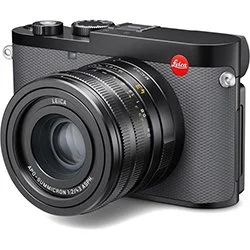
There is something deeply motivating about carrying what genuinely feels like a piece of industrial art. The machining, the simplicity, the tactile feedback, the minimalism — everything about the camera communicates intention.
For many photographers, Leica has always existed in that distant category of “dream camera.”
And when you finally hold one, you understand why.
Oddly enough, one of the biggest advantages is the complete absence of GAS — Gear Acquisition Syndrome.
For the first time in years, I do not feel the need to constantly research the next body, the next lens, the next upgrade, the next system. The Q3 feels definitive. Stable. Complete.
That mental freedom alone is worth more than most specifications.
The Digital Crops Are Better Than Expected
One of the most impressive features of the Q3 is how usable the digital crop system actually is.
Traditionally, digital zooms feel like compromise. On the Q3, thanks to the massive 60MP sensor, they feel surprisingly legitimate.
The different crop modes effectively give multiple focal length experiences from a single fixed lens camera, while still maintaining excellent image quality for real-world usage — especially for street photography and travel photography, where speed and flexibility matter more than laboratory perfection.
It changes the shooting experience entirely.
You stop thinking about changing lenses.
You stop interrupting the flow.
You simply react.
And for street photography, that fluidity is everything.
Resolution and Image Quality
The files coming out of the Q3 are exceptional.
The resolution is obviously enormous, but what stands out more is the rendering. There is a clarity and depth to the files that feels refined without becoming clinical. Sharp without becoming sterile.
Combined with the Leica color science and the Leica Looks profiles, the images already have a strong visual identity straight out of camera.
The Leica Looks are genuinely excellent — not gimmicks, but carefully designed interpretations that can subtly shape the mood of an image without feeling artificial.
Simplicity Matters
One of the best surprises was the menu system.
Coming from systems where menus can feel like software engineering projects, the Q3 is refreshingly simple. Clean. Logical. Fast to understand.
You spend less time configuring the camera and more time actually photographing.
That should not be considered a luxury feature.
It should be considered essential.
The Leica App vs Fuji
A surprisingly important detail: the Leica app experience is significantly better than what I experienced with Fujifilm systems.
Connection feels smoother, more reliable, and less frustrating overall. For a travel and street photography workflow — where quickly transferring images to a phone matters — that makes a real difference.
These small frictions add up over time.
Leica clearly understands that premium hardware also requires a premium user experience outside the camera itself.
The Build Quality
The Q3 feels incredibly solid.
Dense without being excessive. Minimal without feeling fragile.
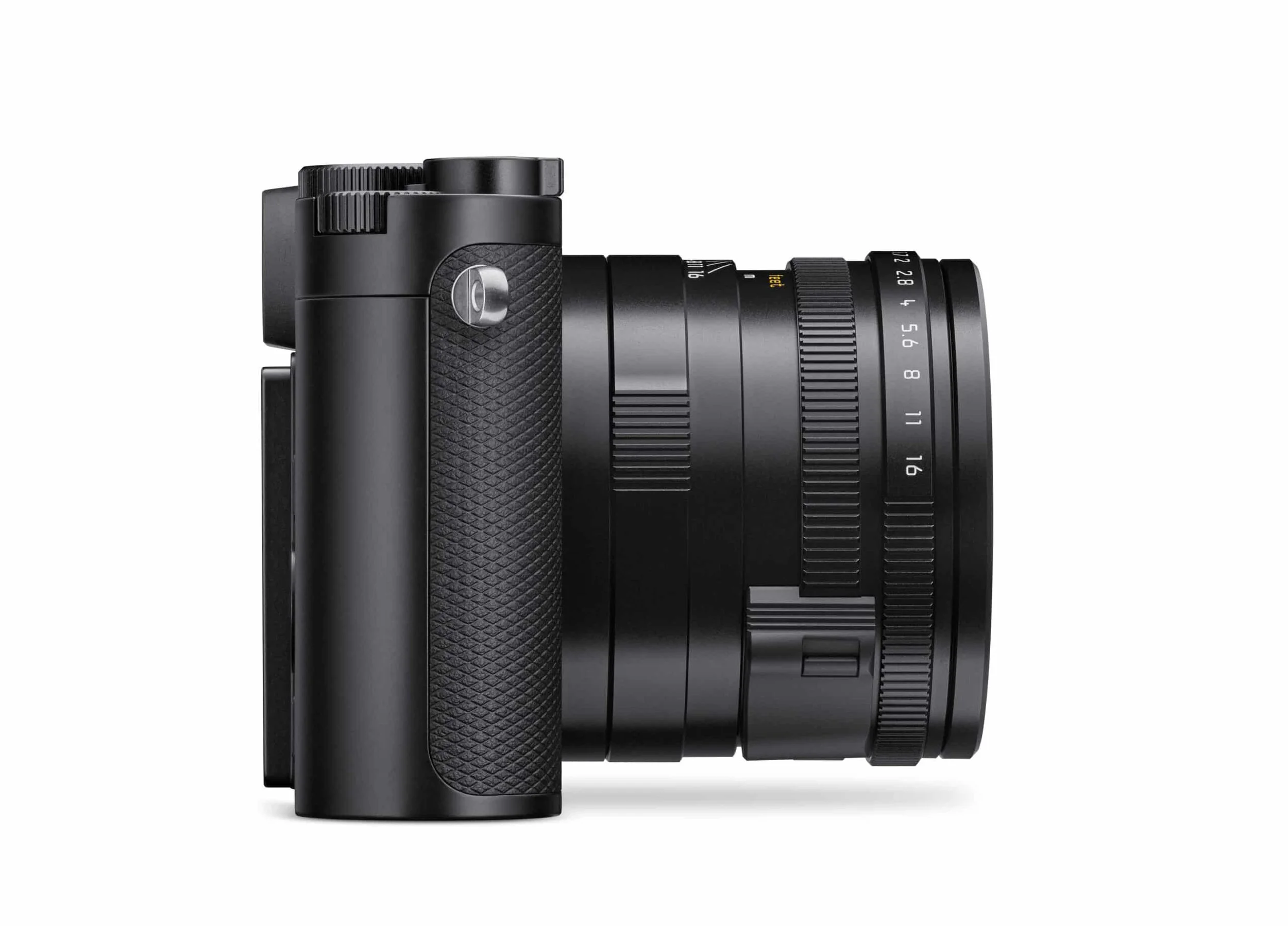
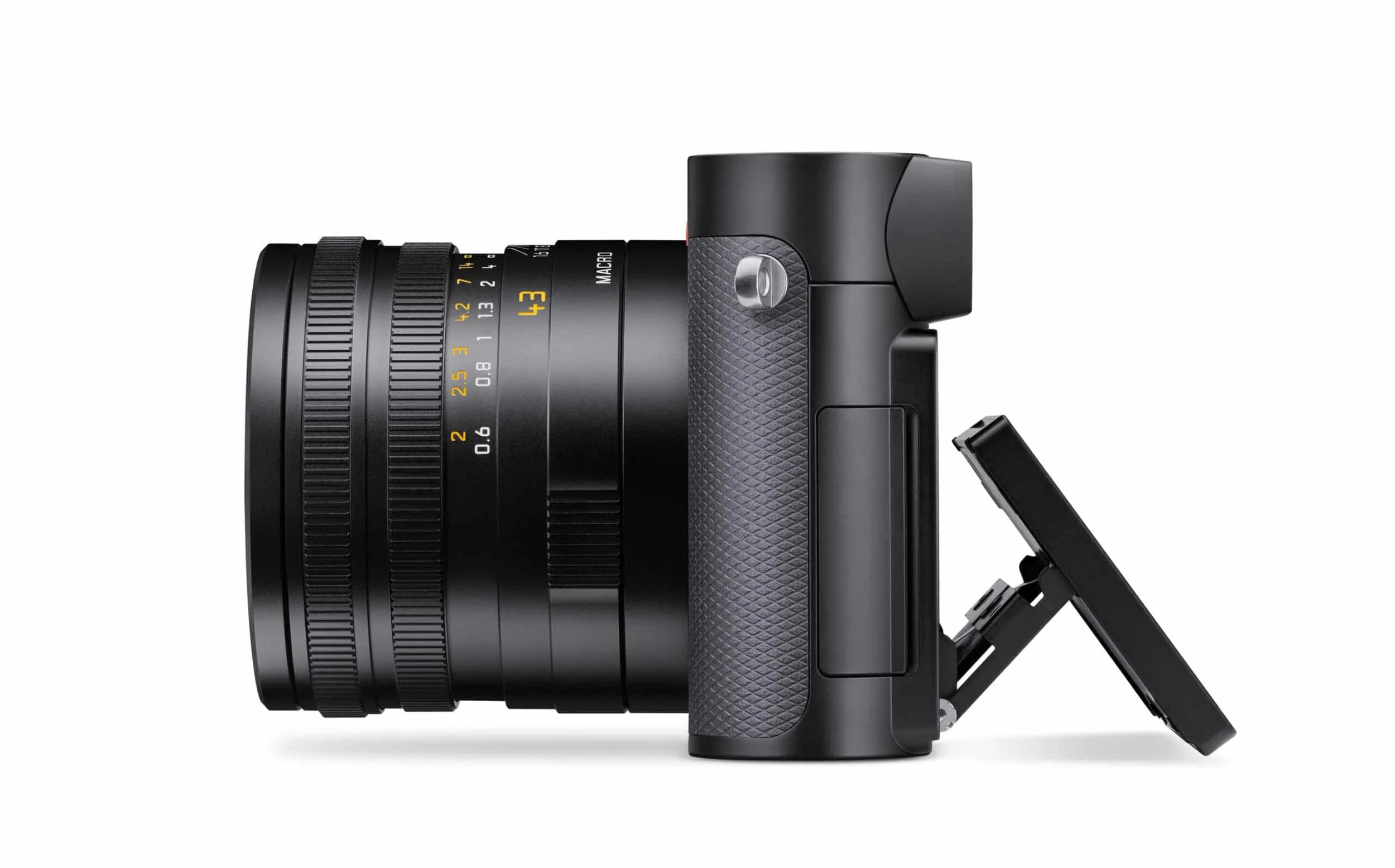
It gives confidence in a way that many modern cameras do not. The materials, tolerances, buttons, and overall construction create the impression that this is a tool designed to last years, not product cycles.
And aesthetically, it is simply beautiful.
Not flashy.
Not aggressive.
Just timeless.
The Less Positive Side
The Q3 is not perfect.
Startup speed is not particularly fast, especially for a camera aimed at reactive photography. It is not disastrous, but it is noticeable.
Another limitation appears when shooting multiple frames rapidly in DNG L + JPG L. The camera can become slightly sluggish when previewing images, especially if the SD card is not high-end enough.
This is one of those cameras where investing in a genuinely fast SD card matters more than many people realize.
Trying to save money there is probably a mistake.
The Beginning of the Accessory Rabbit Hole
And of course… once the camera arrives, the accessory hunt begins.
Already ordered:
Shutter button
Thumb grip
Both feel almost essential for improving handling and comfort.
But the truly essential accessories were purchased immediately:
Official half case with grip
Tempered glass protector for the LCD
The half case especially transforms the ergonomics and adds a layer of confidence when carrying the camera daily during travel or long photowalks.
Final Thoughts
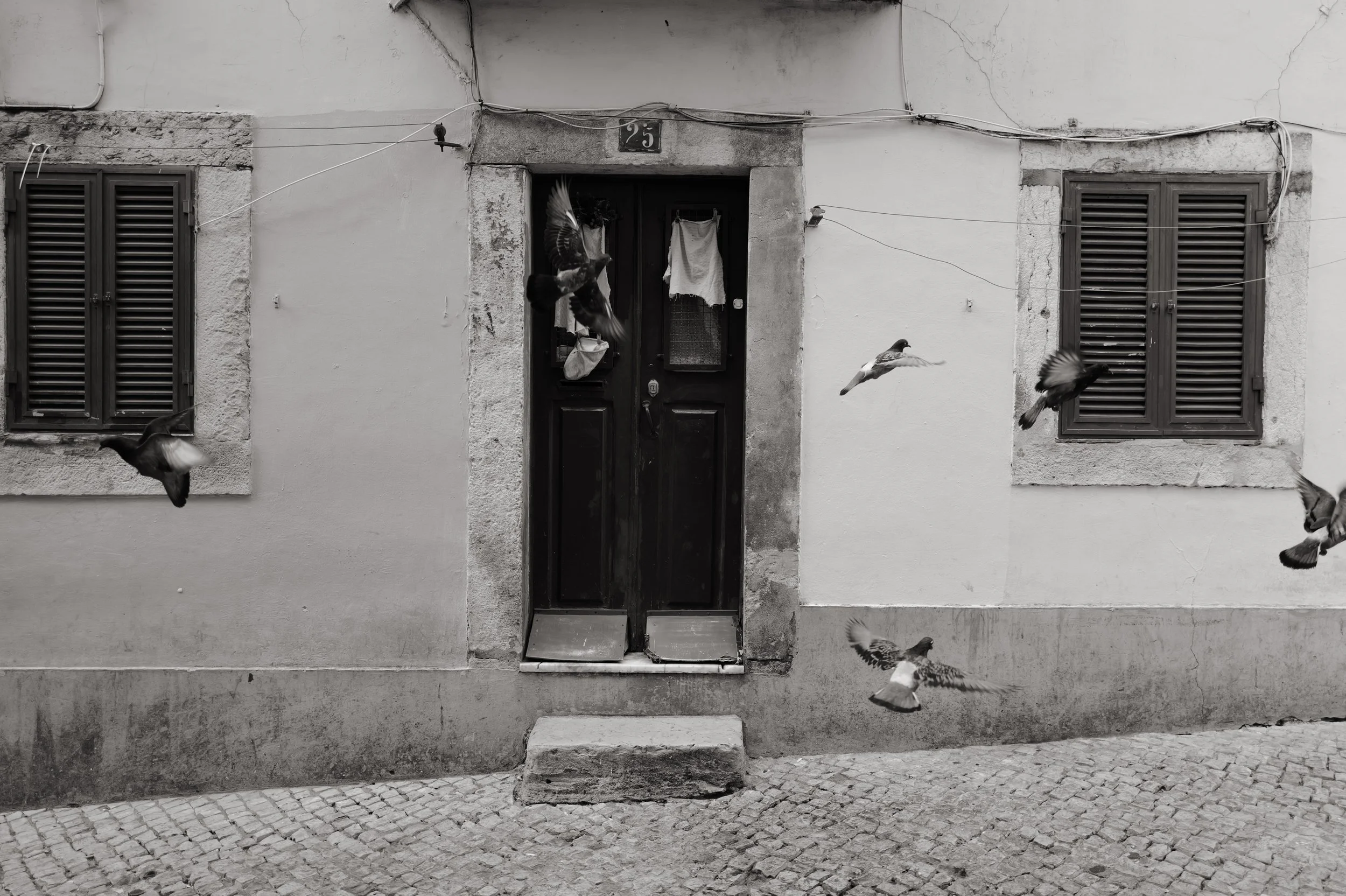
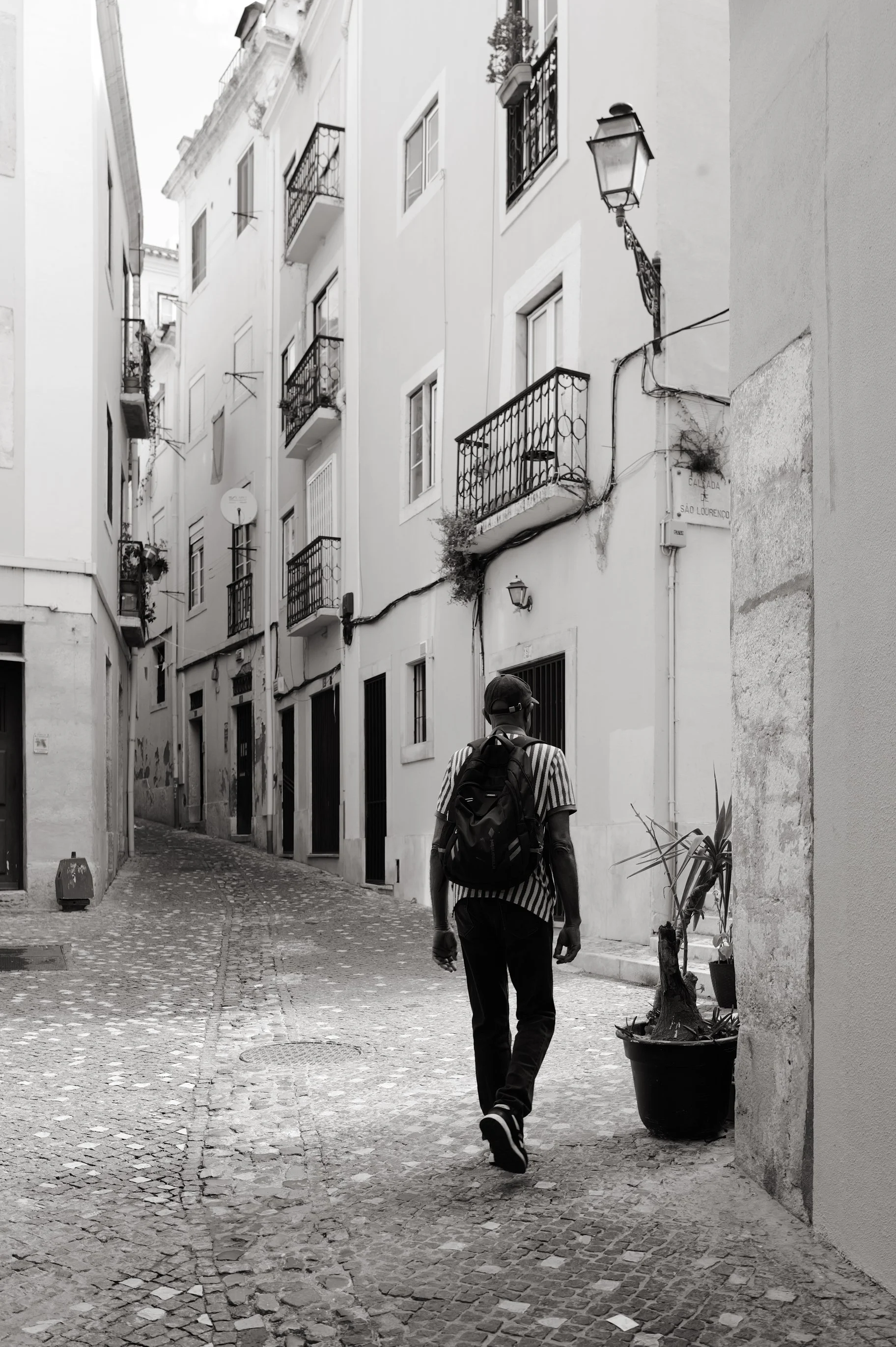
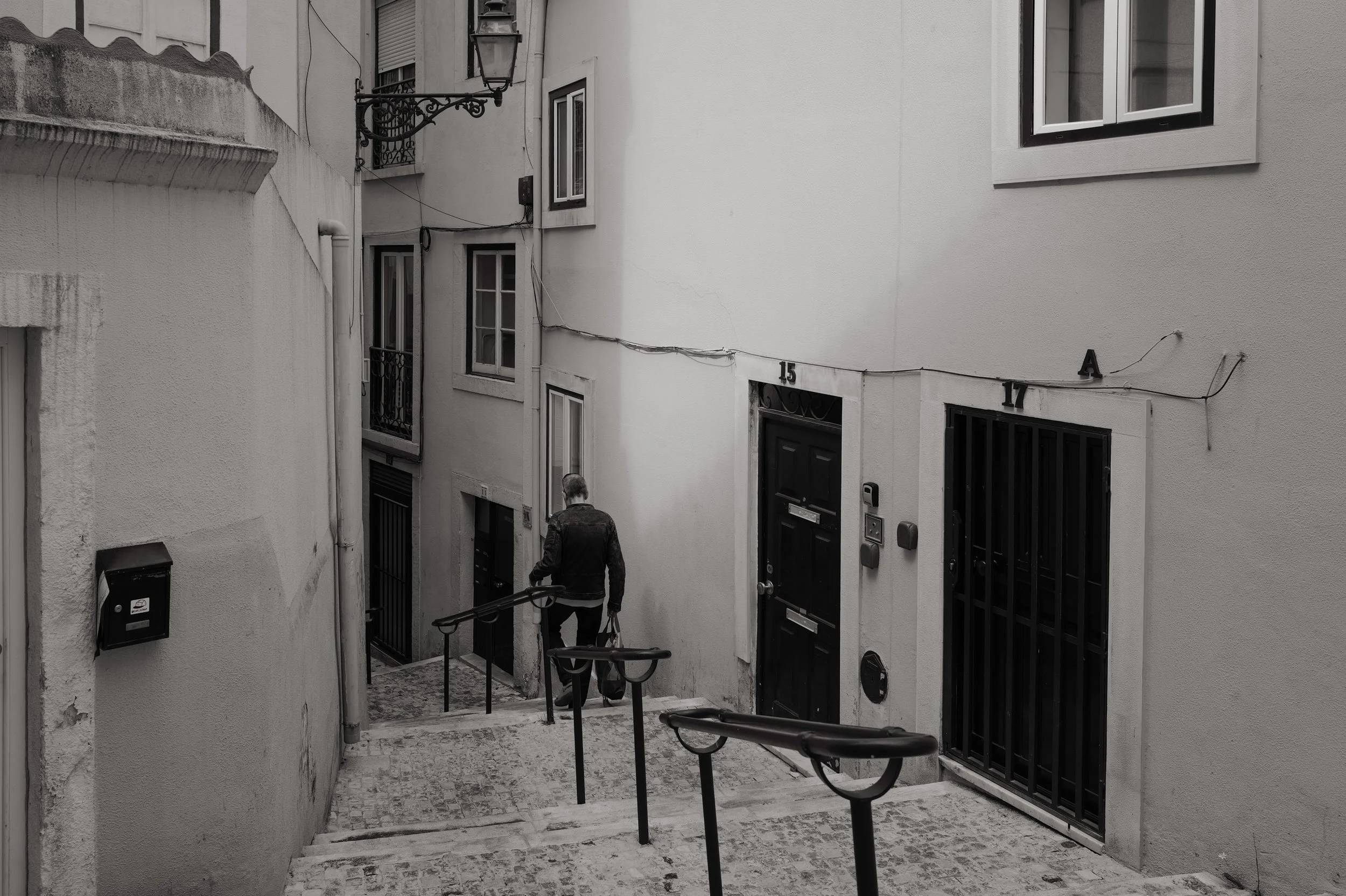
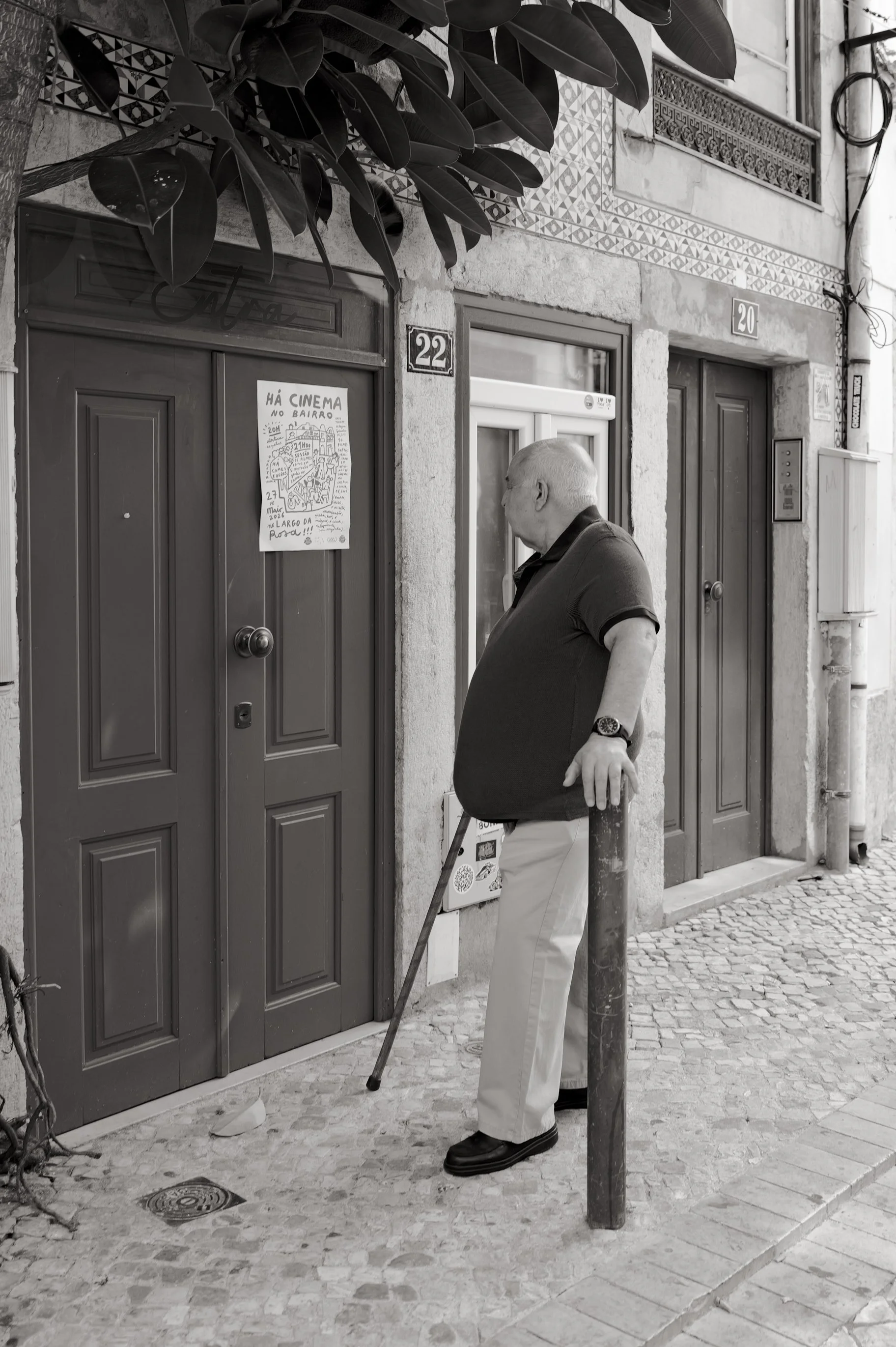
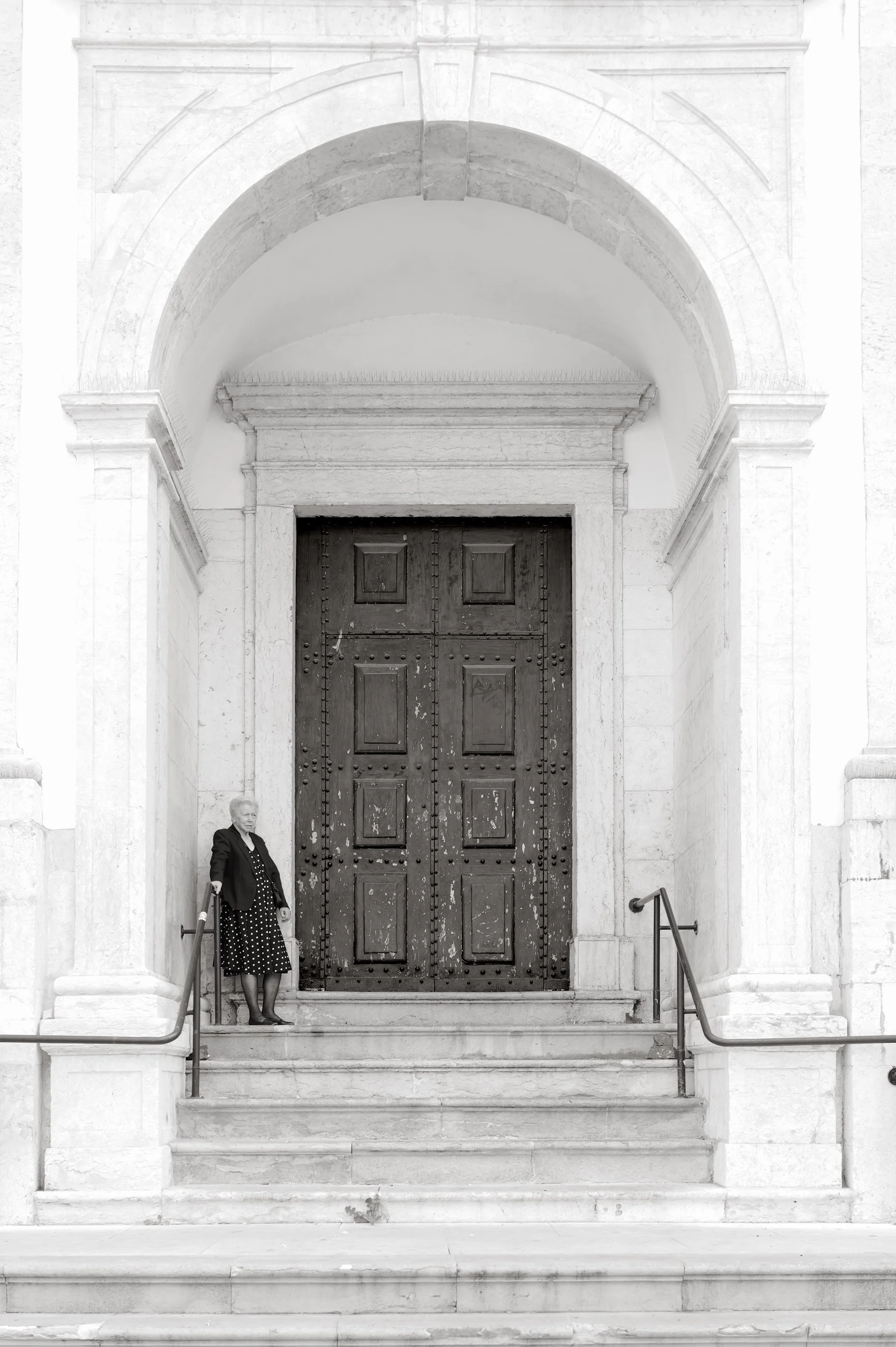
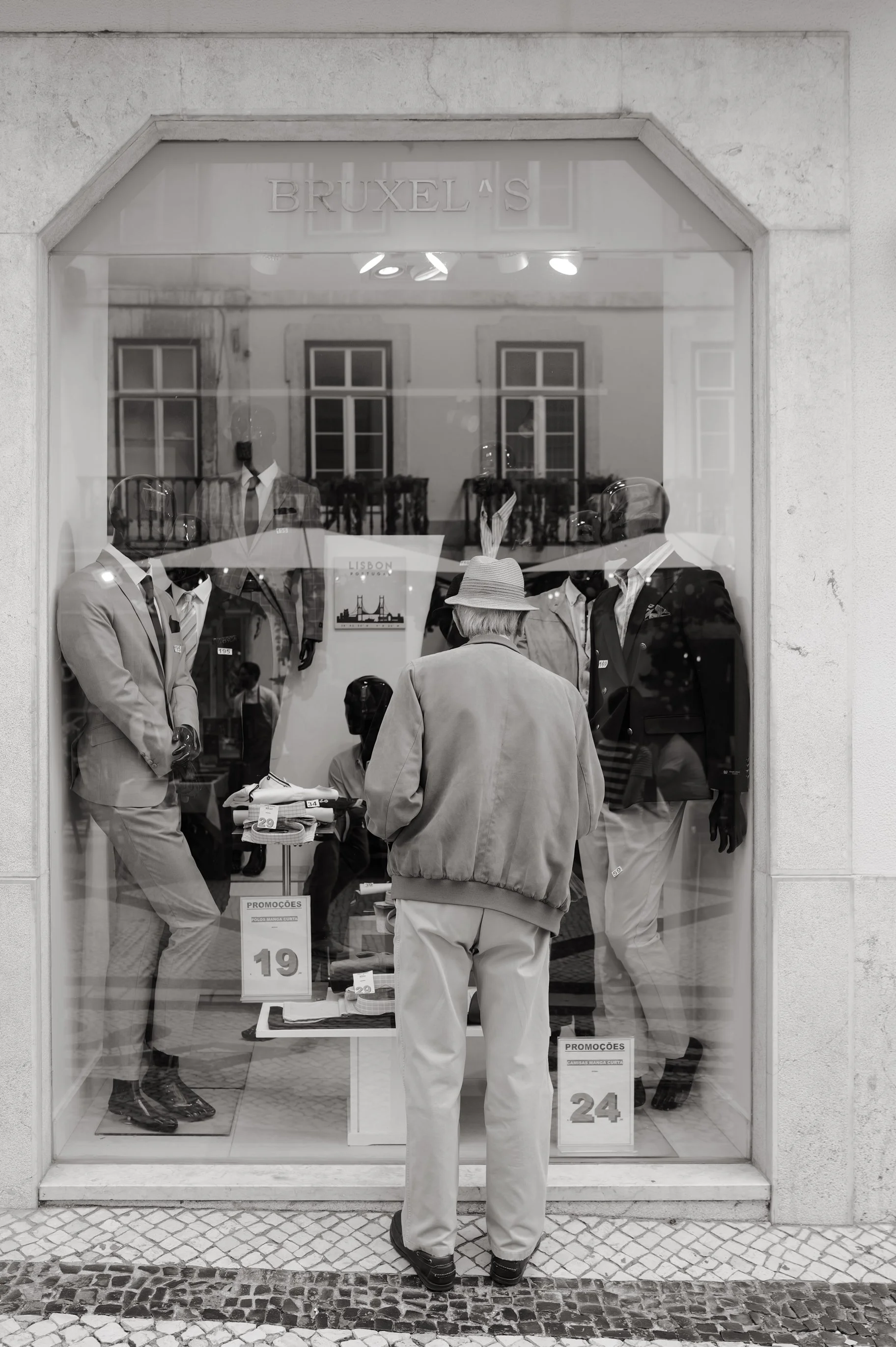
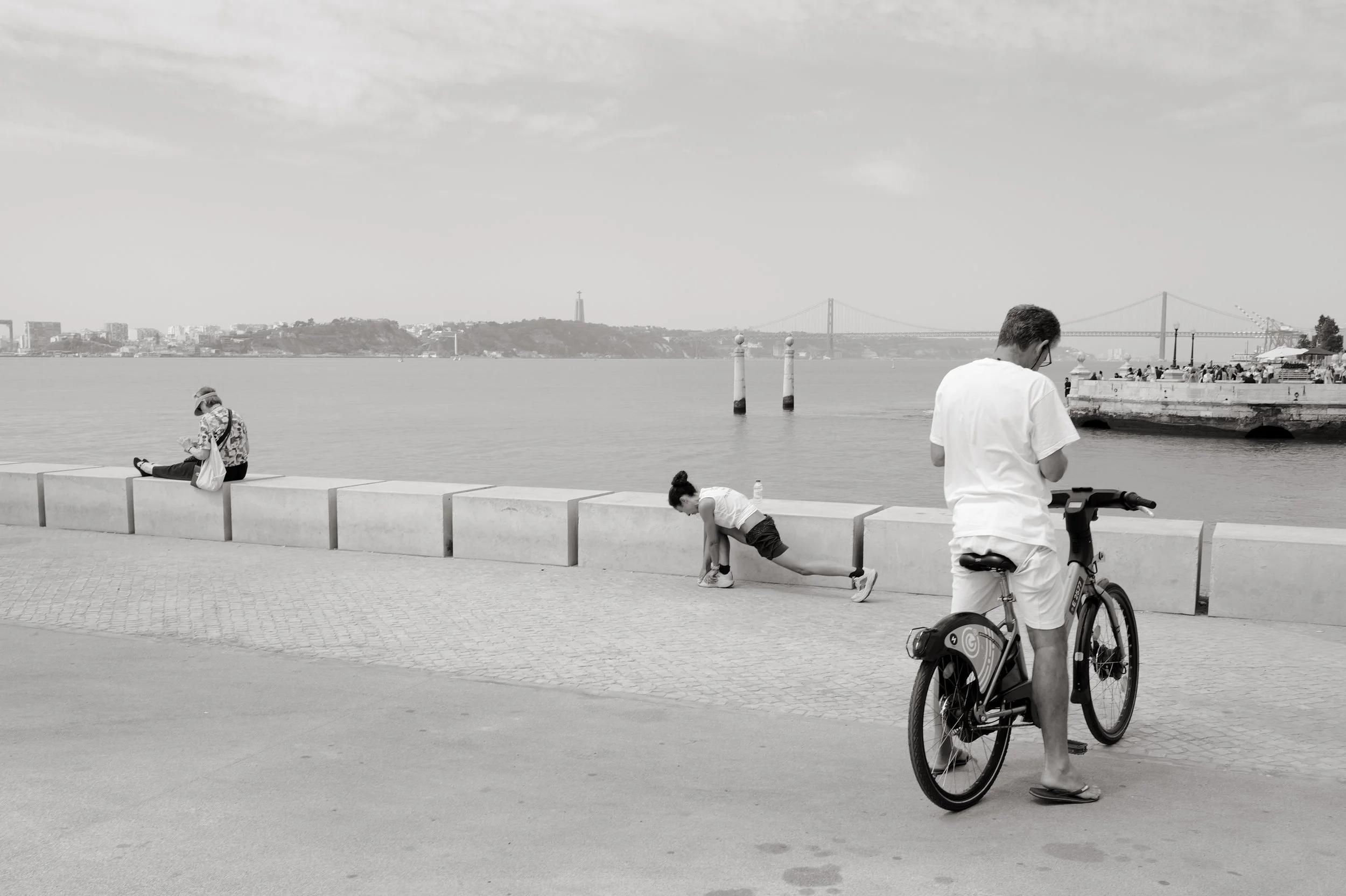
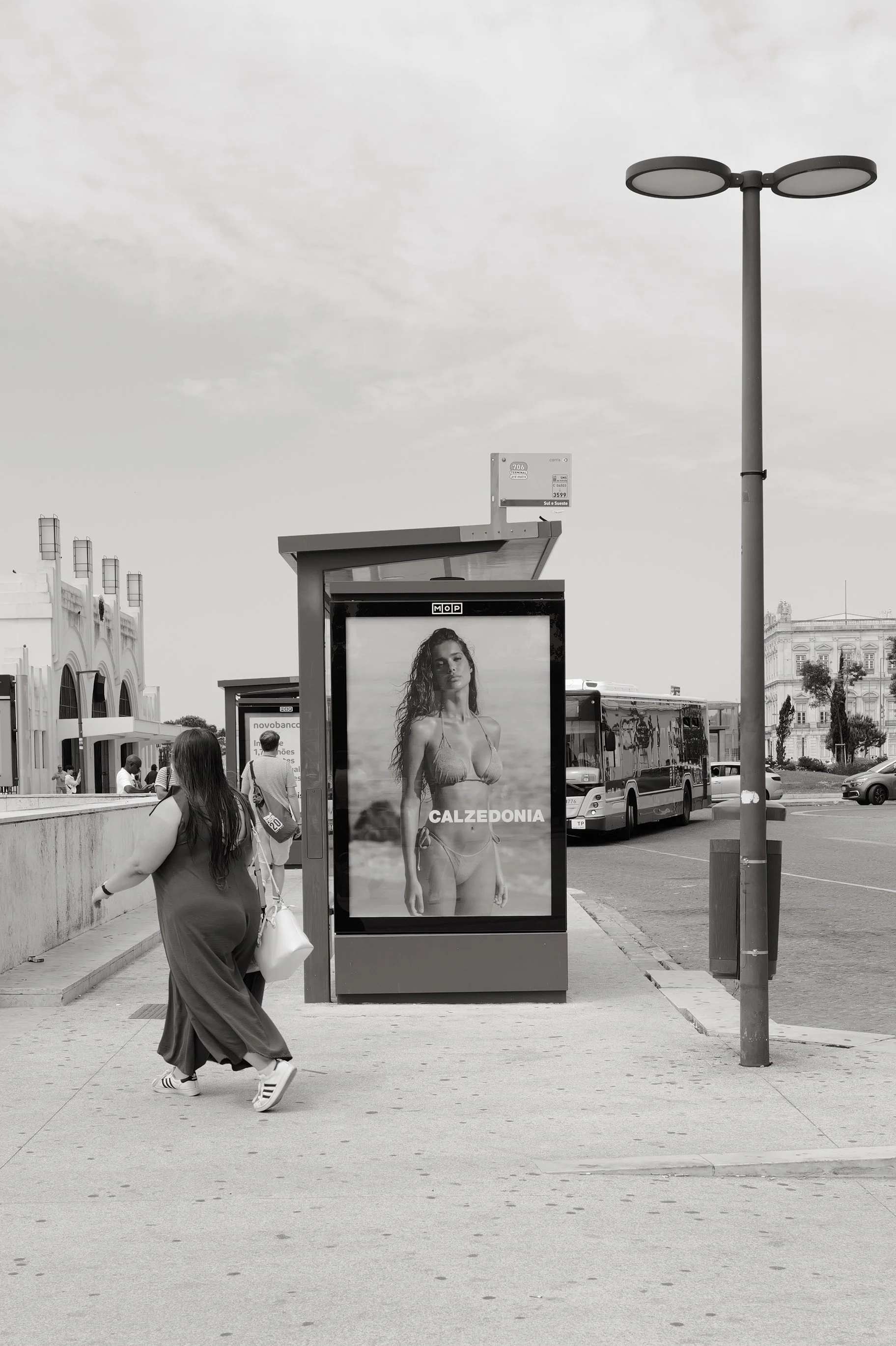
This article is intentionally based only on a first experience photowalk, and all photographs shown here come from that initial outing with the camera.
So these are not “long-term conclusions.”
But sometimes first impressions matter.
Because occasionally, within the first few minutes of using a camera, you already know whether it will become part of your life or simply another piece of technology.
The Leica Q3 feels like the first category.