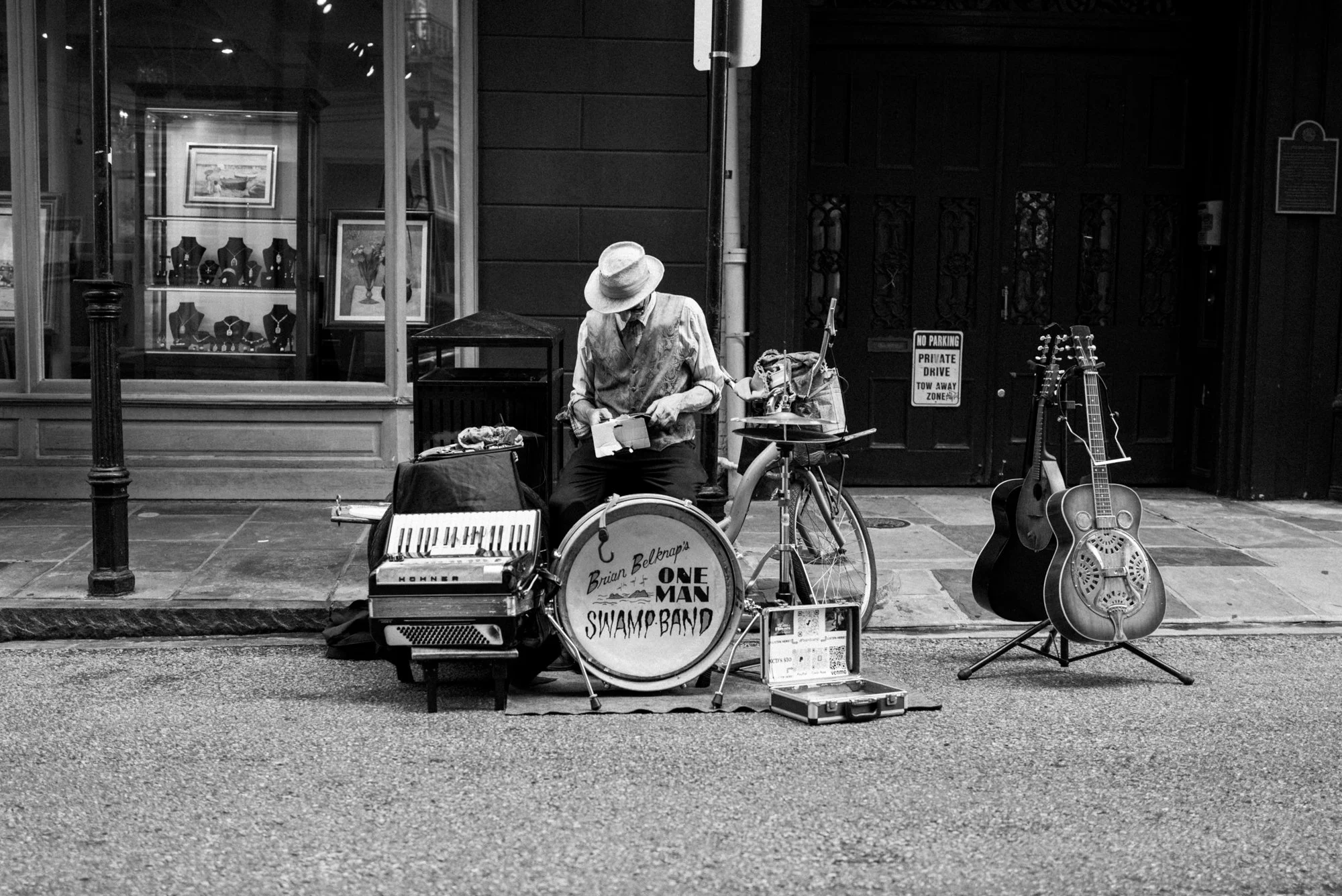
Shooting the streets of New Orleans
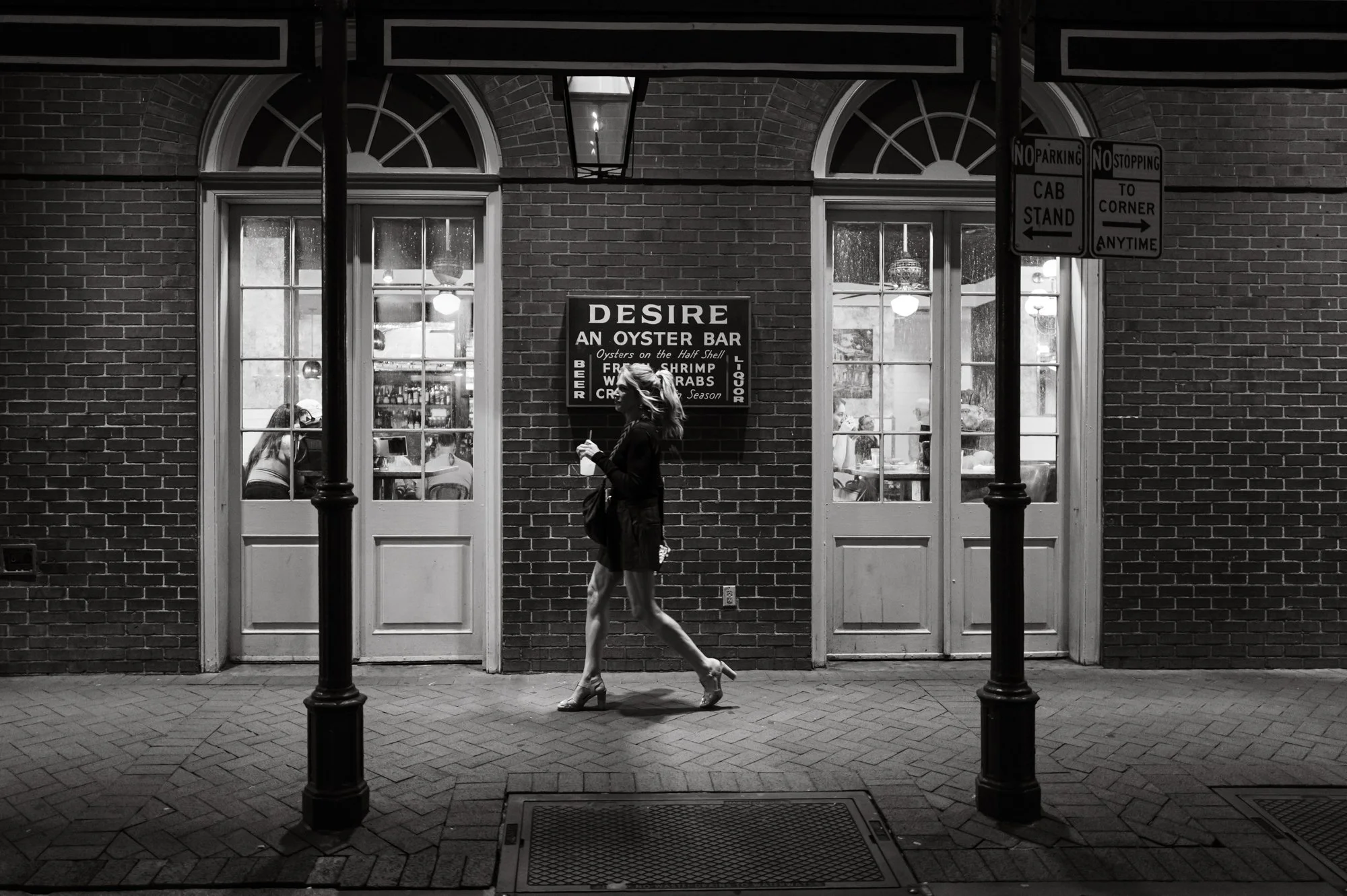
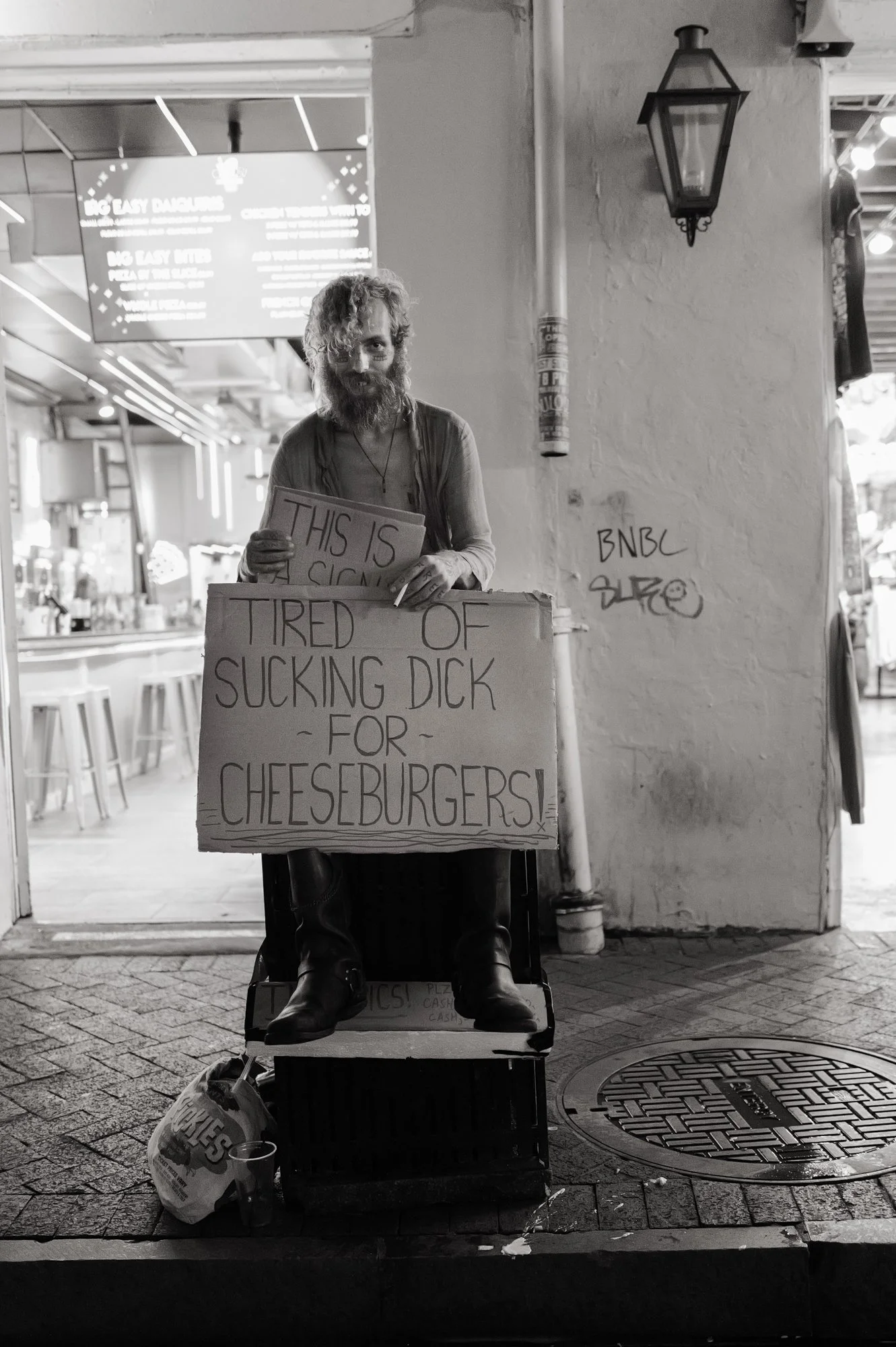
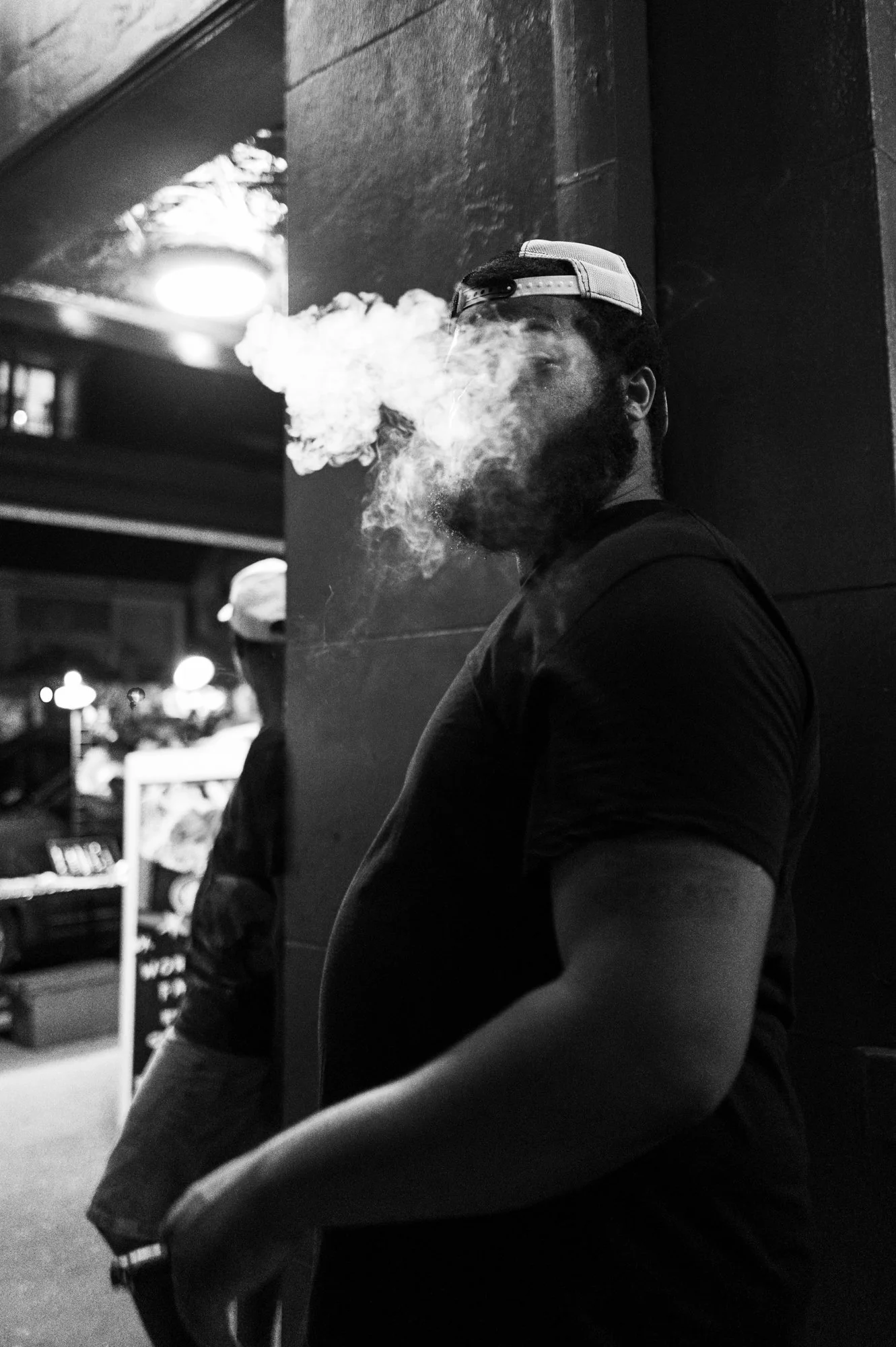
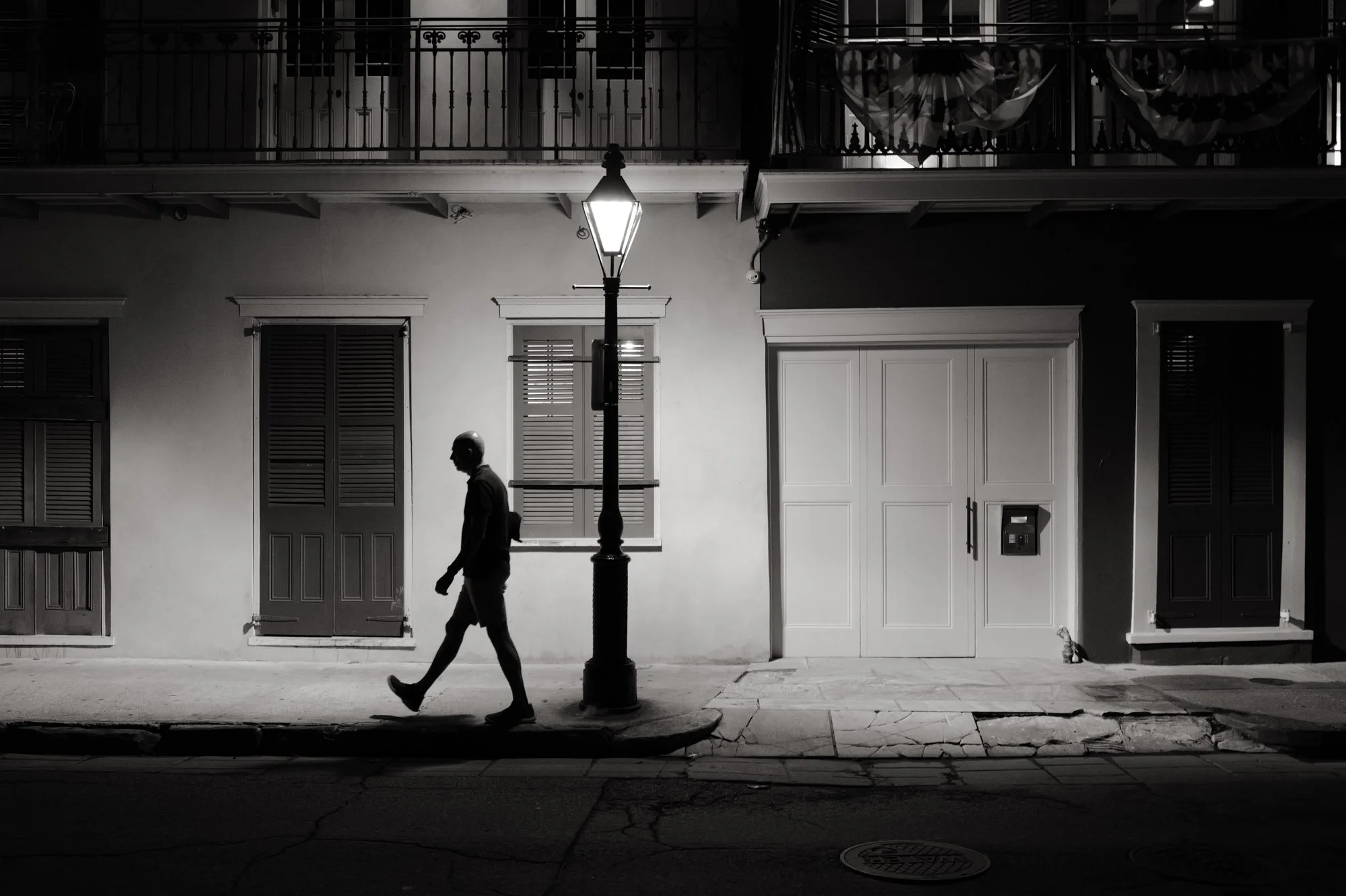
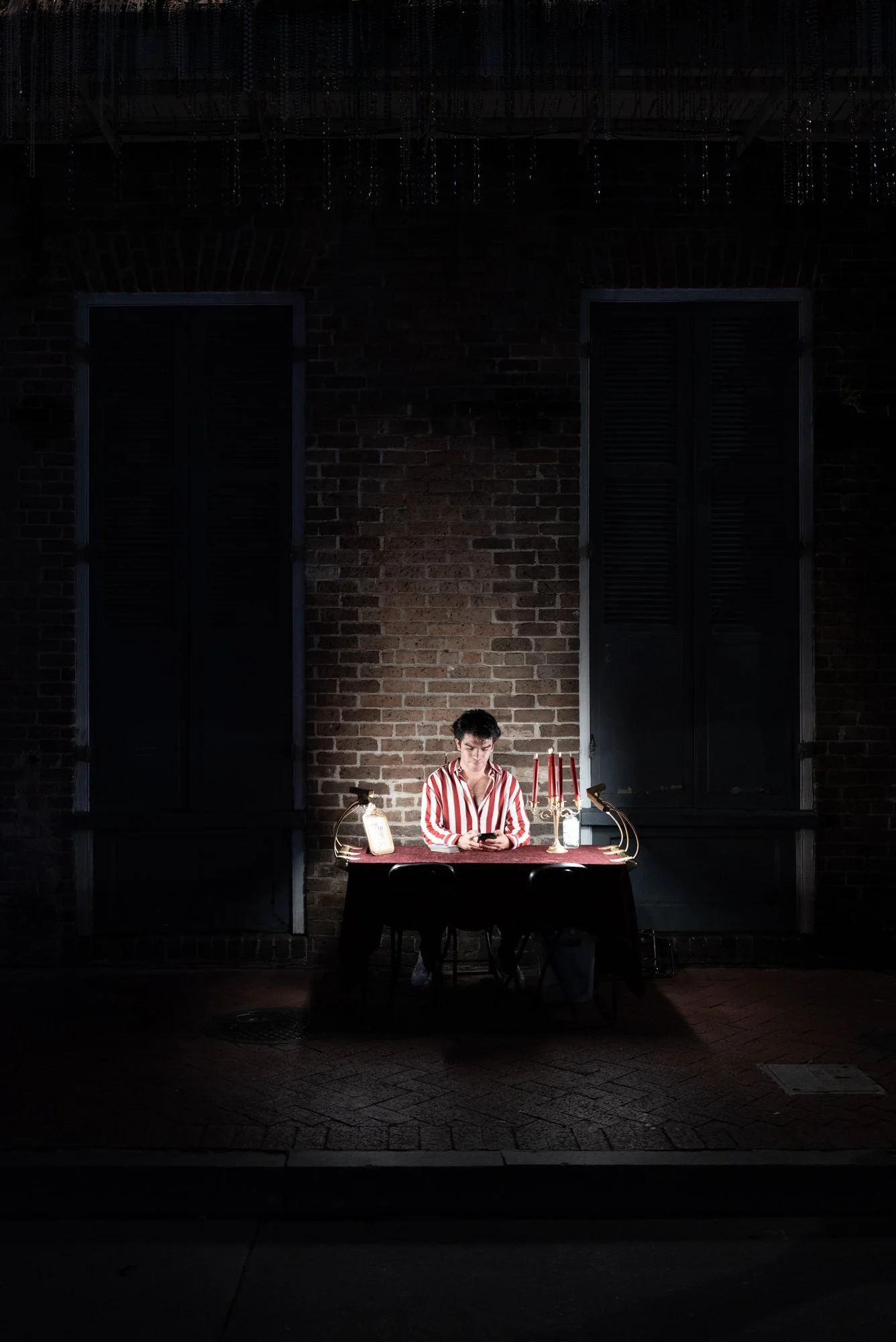
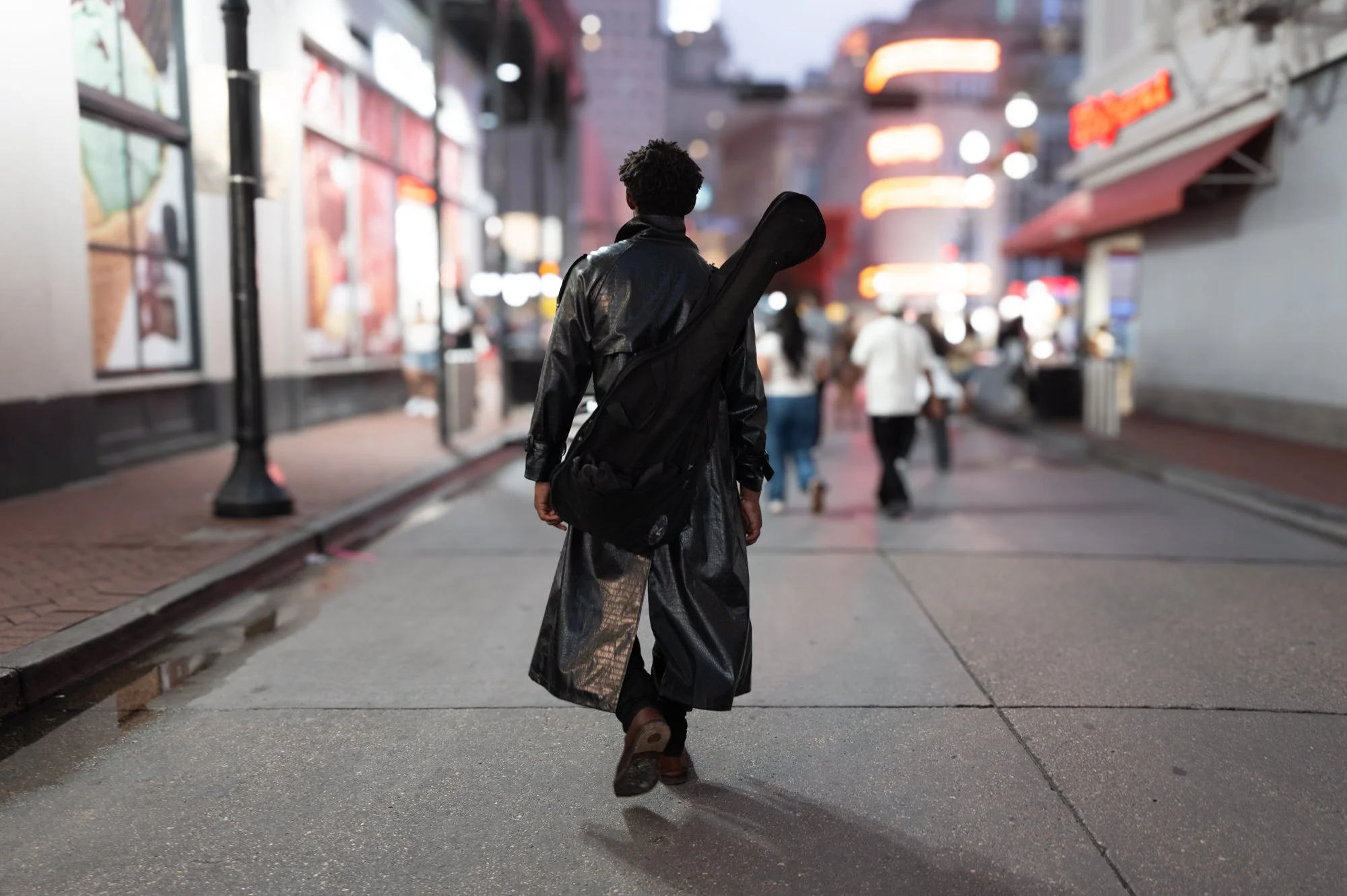
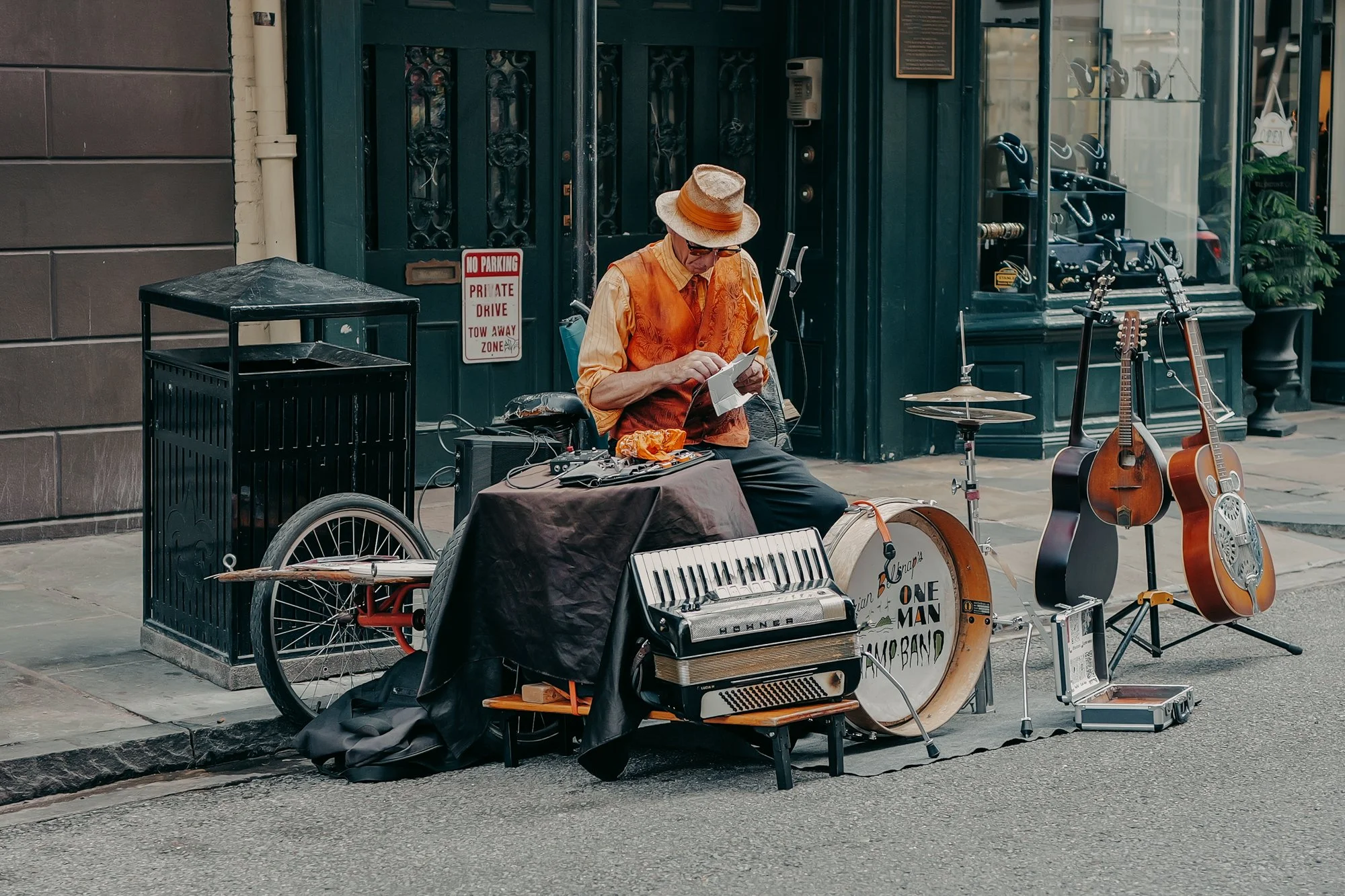
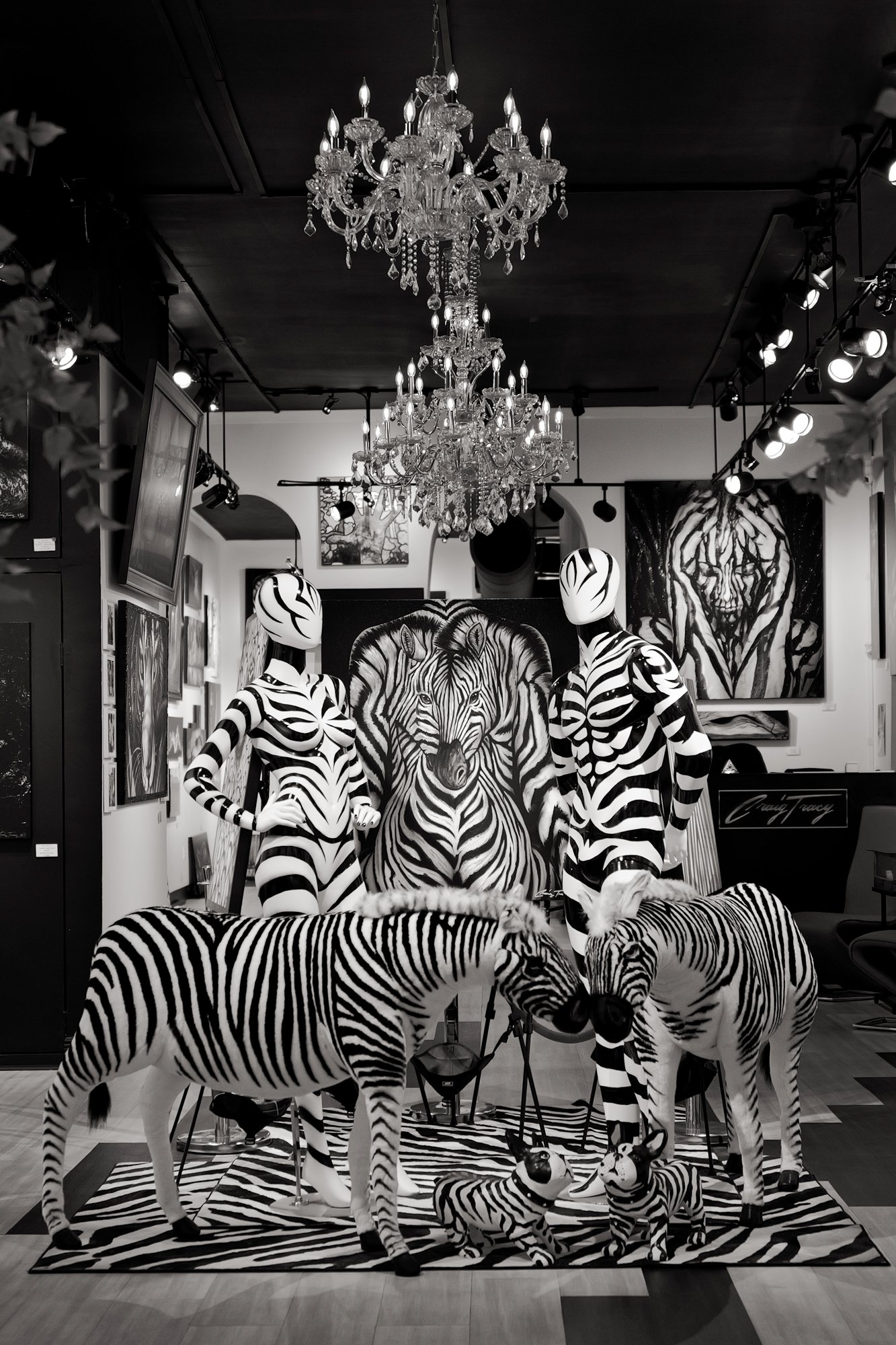
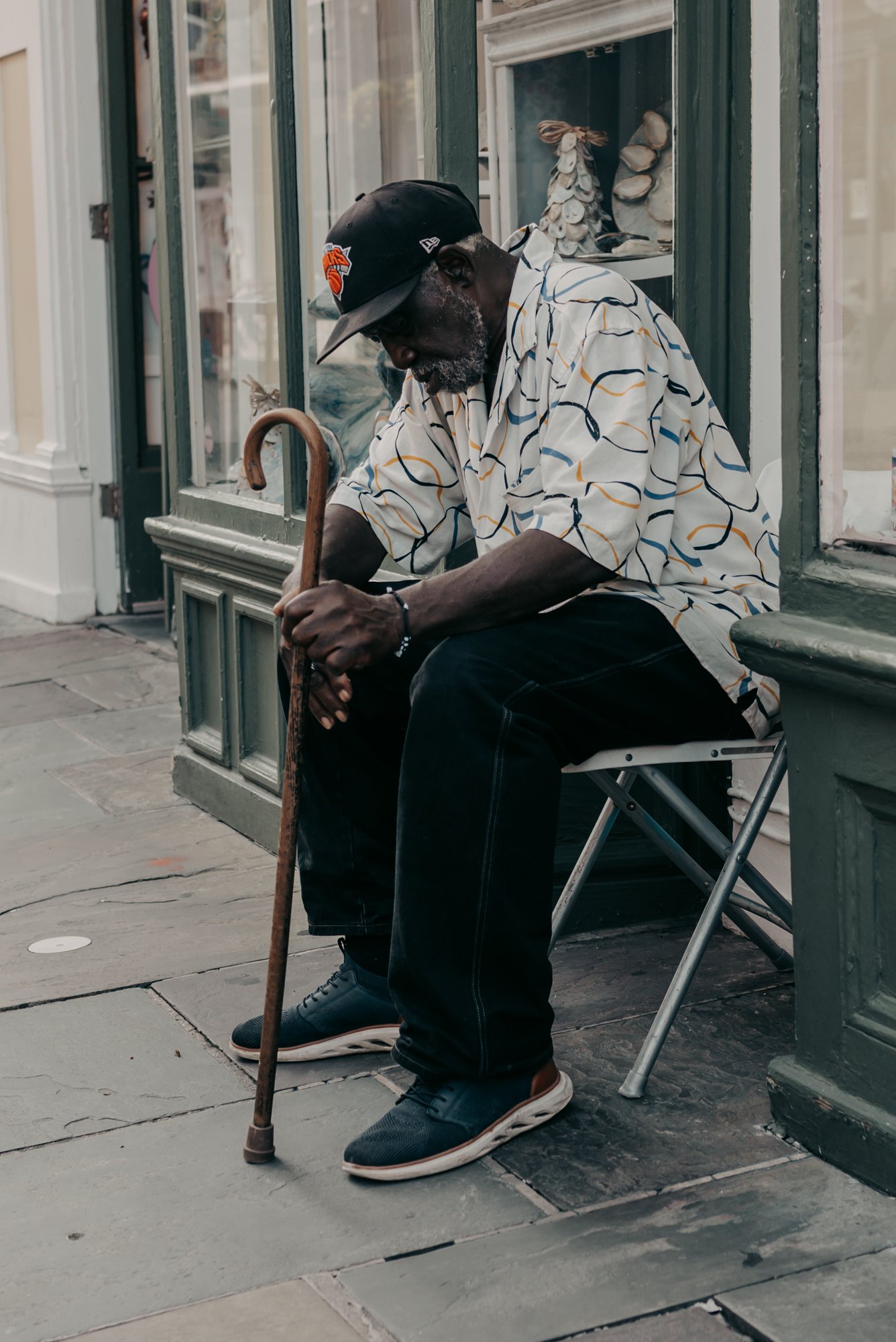
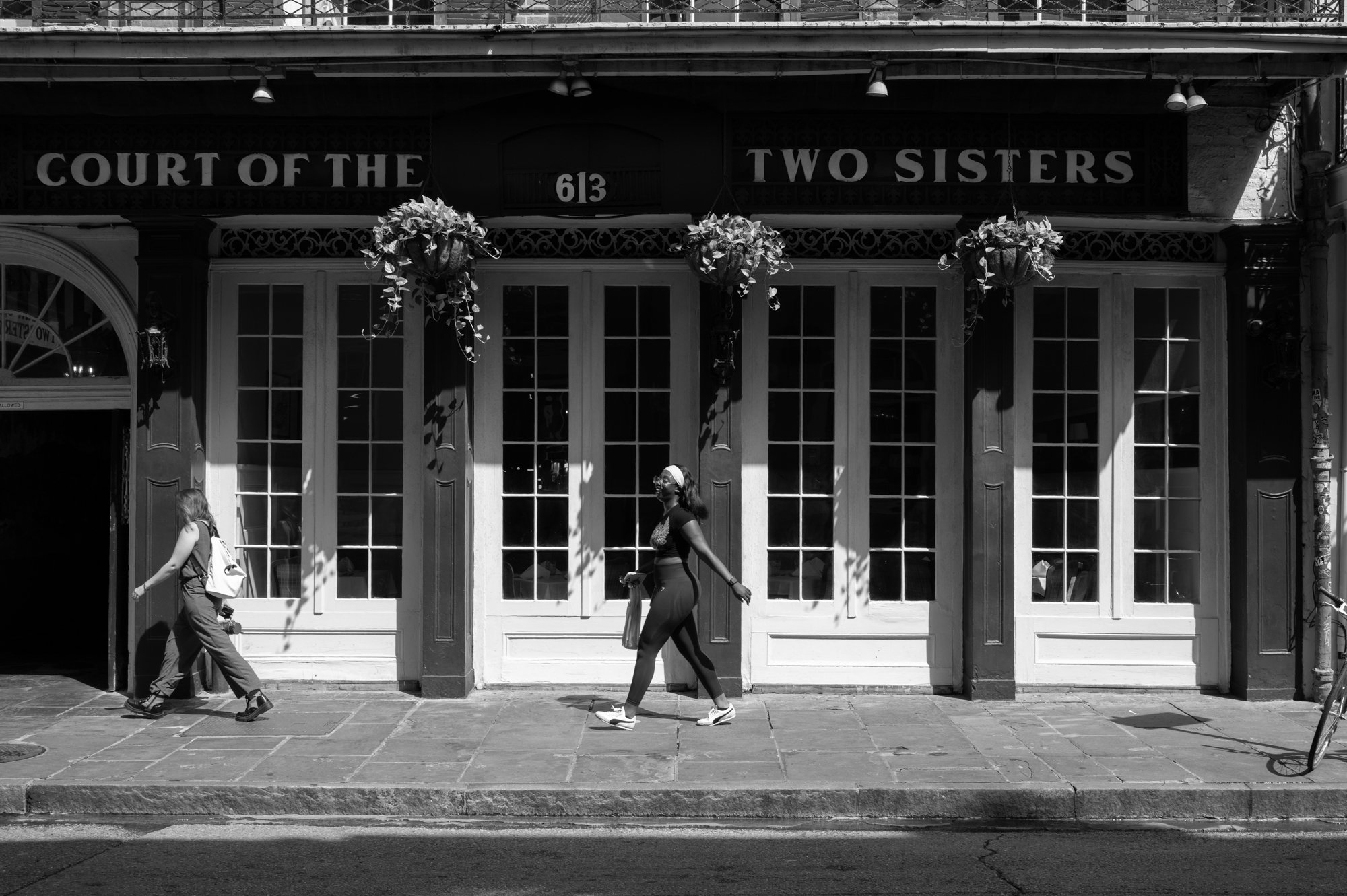
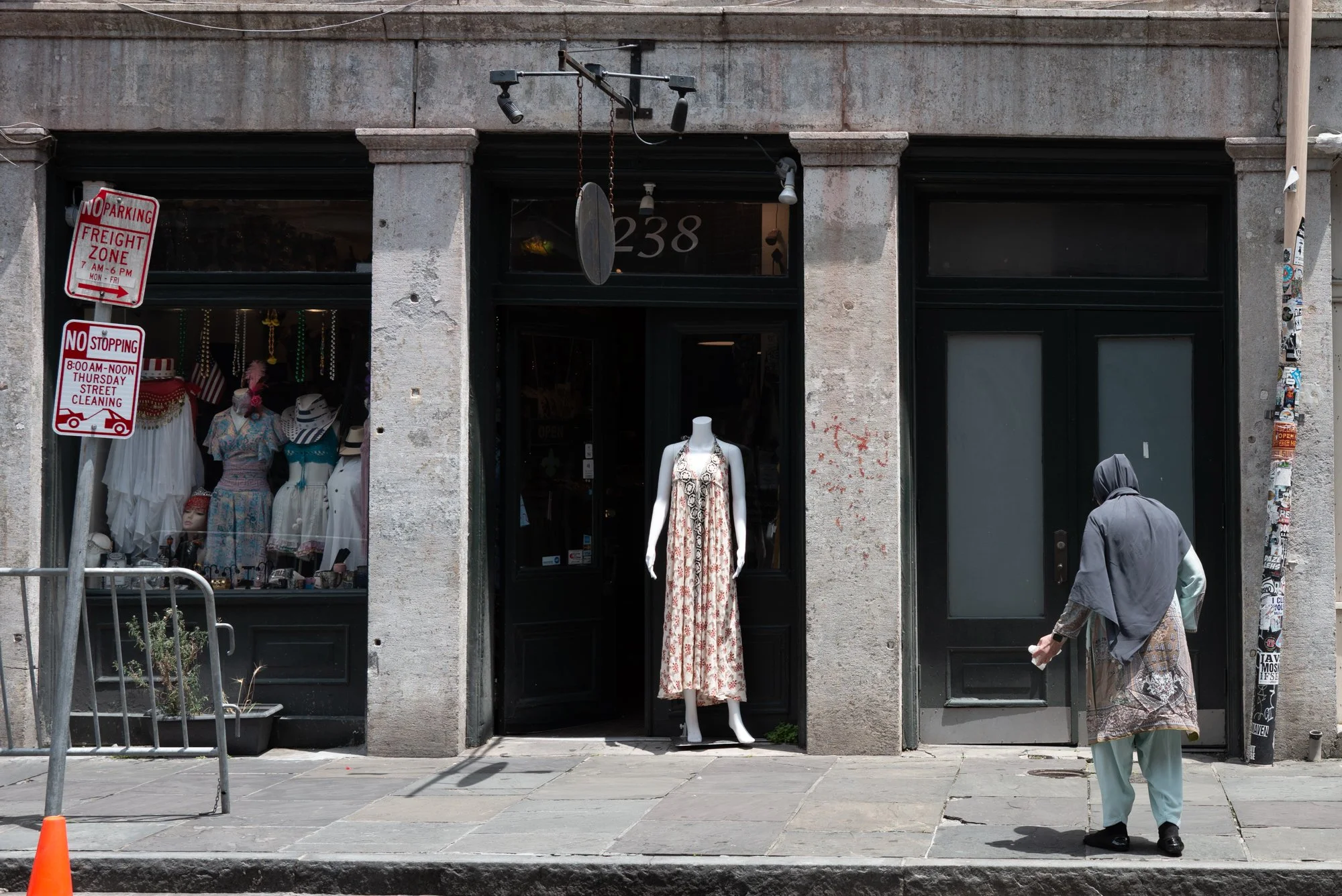
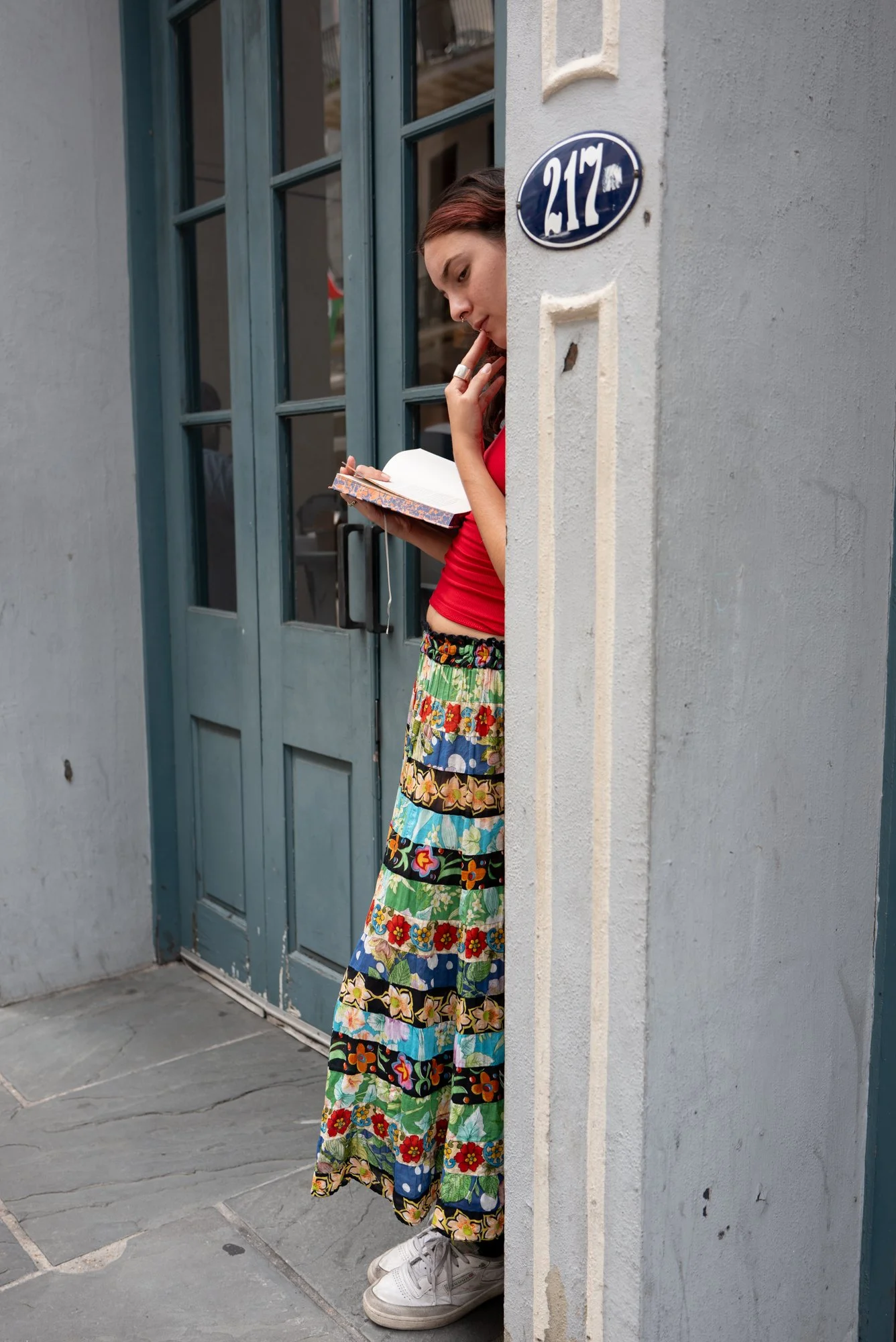
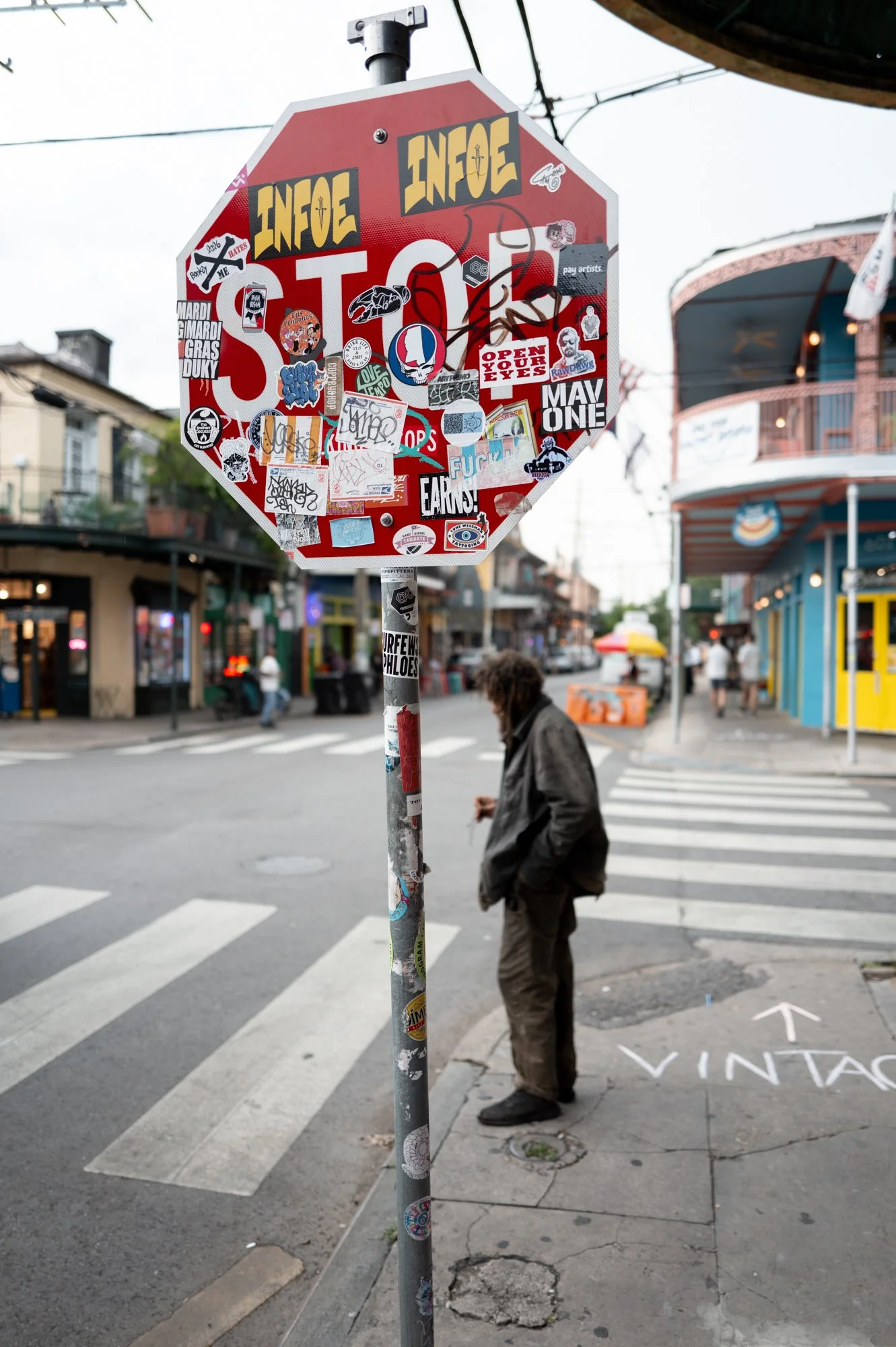
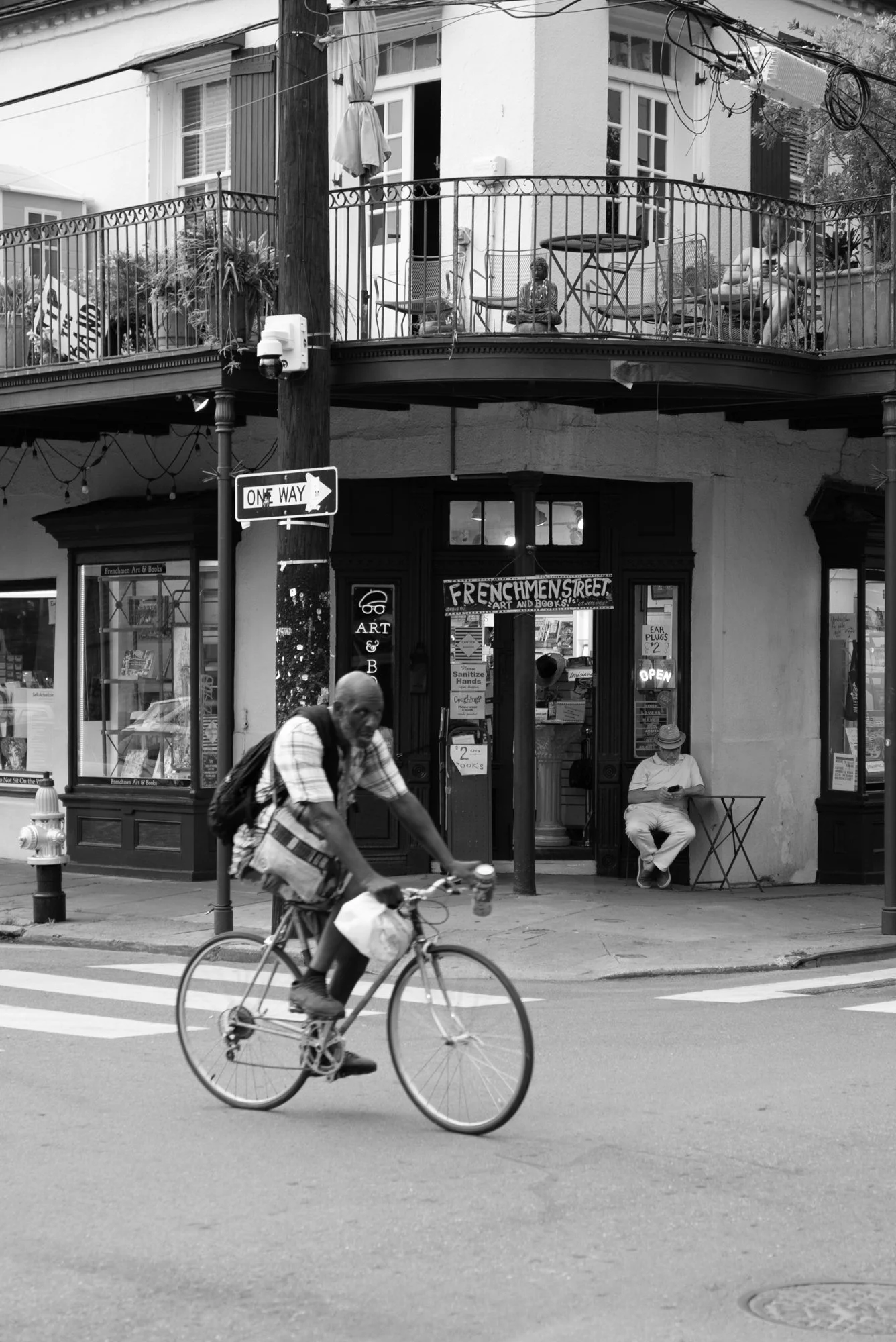
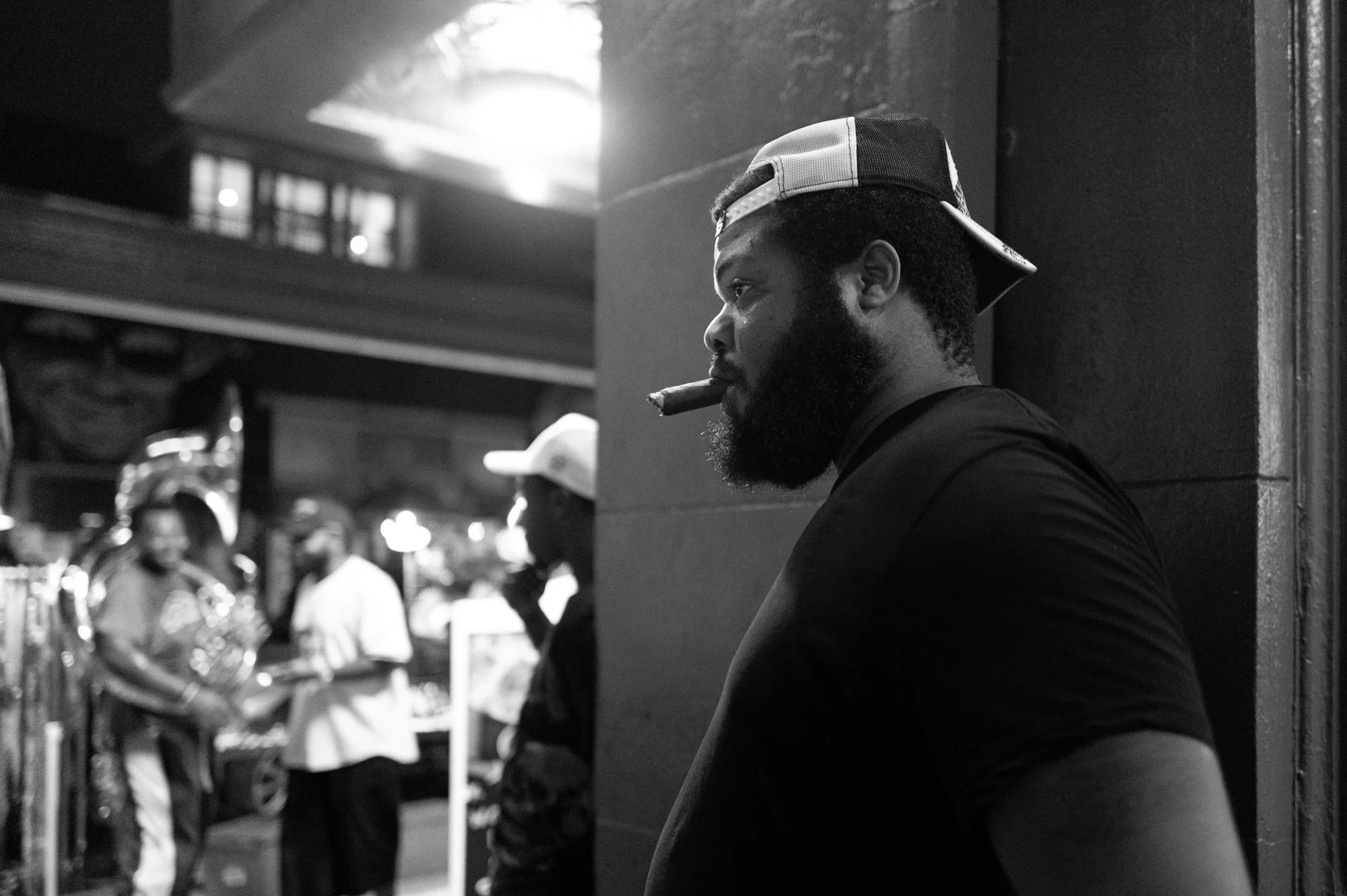
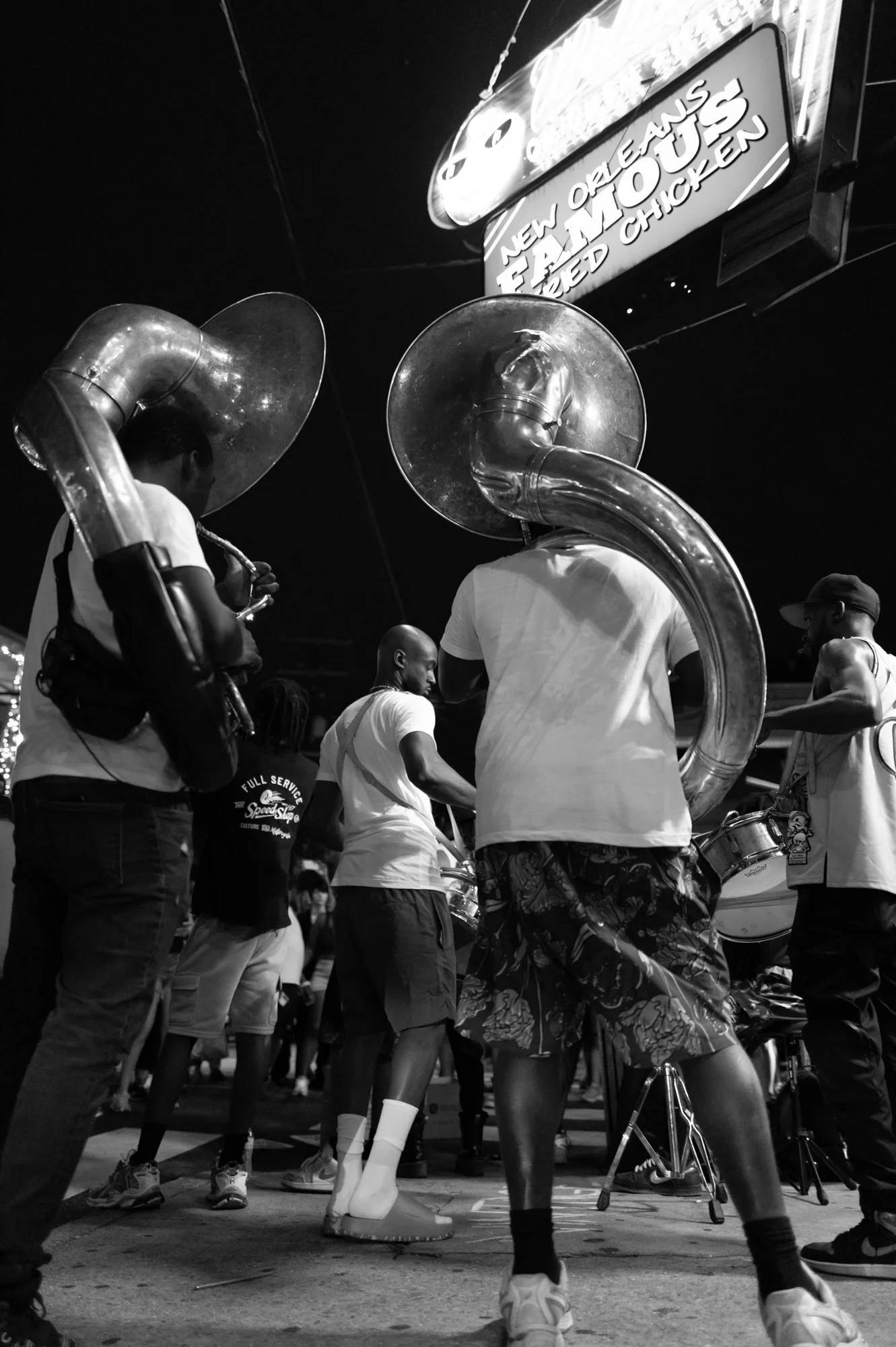
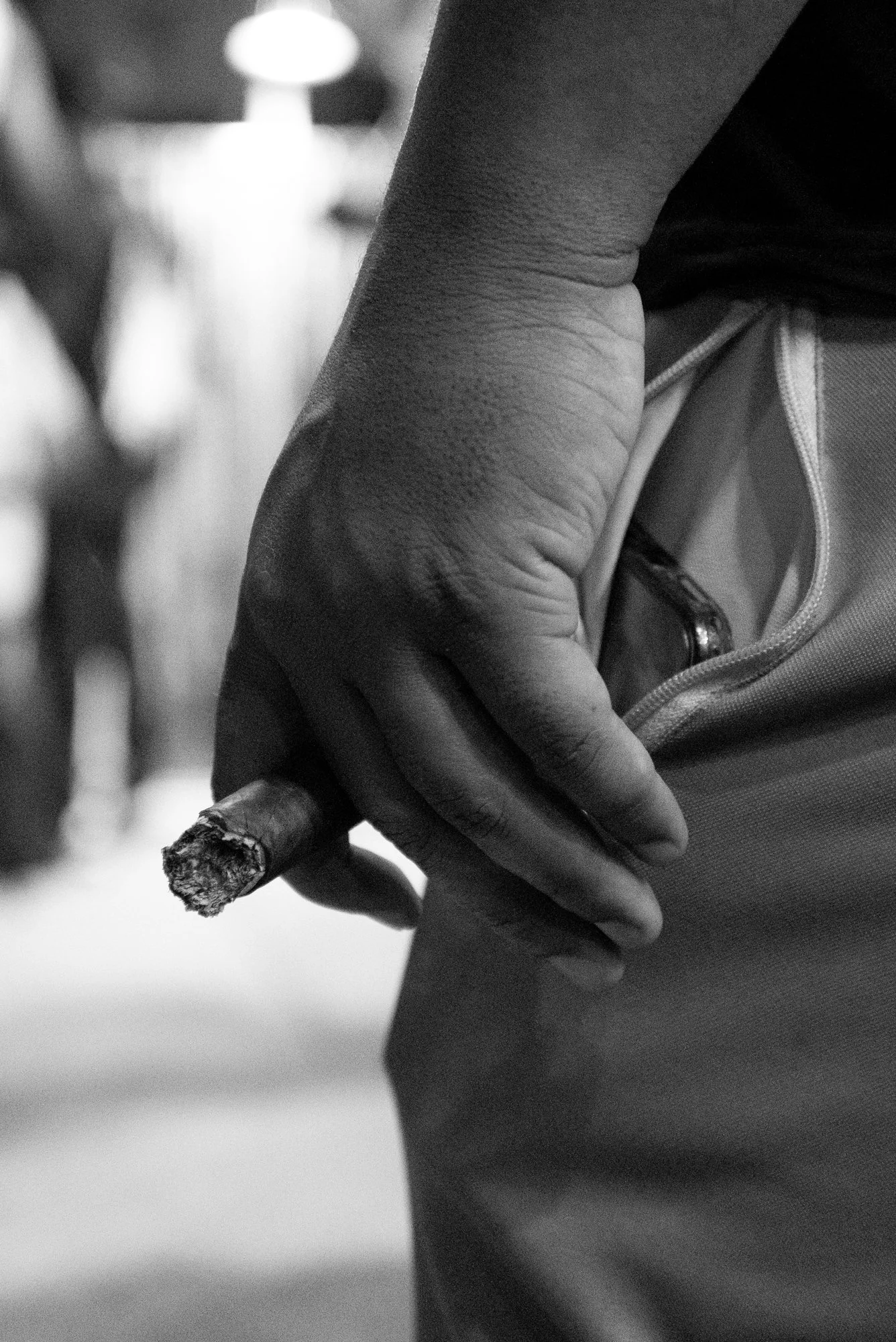
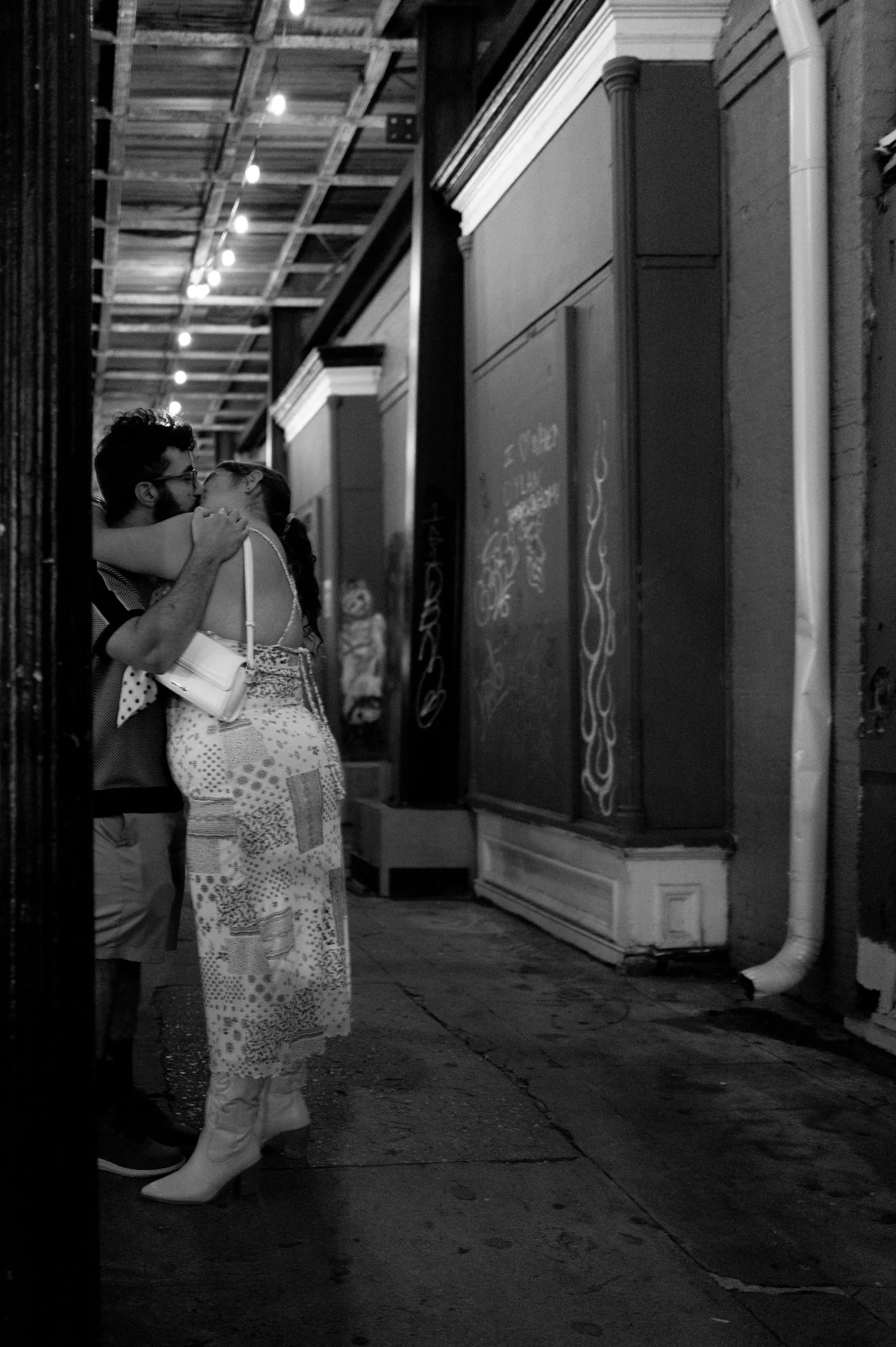
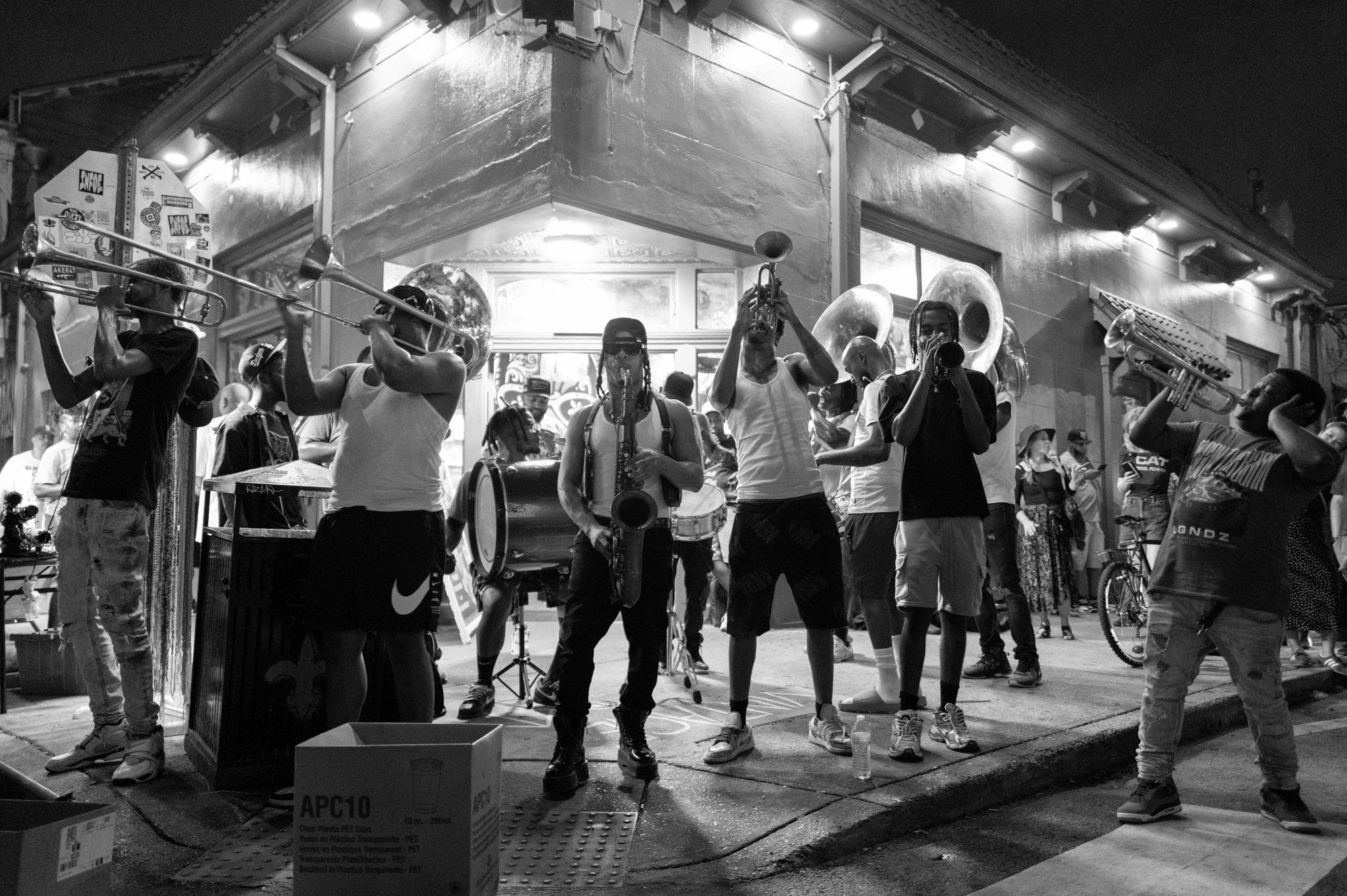
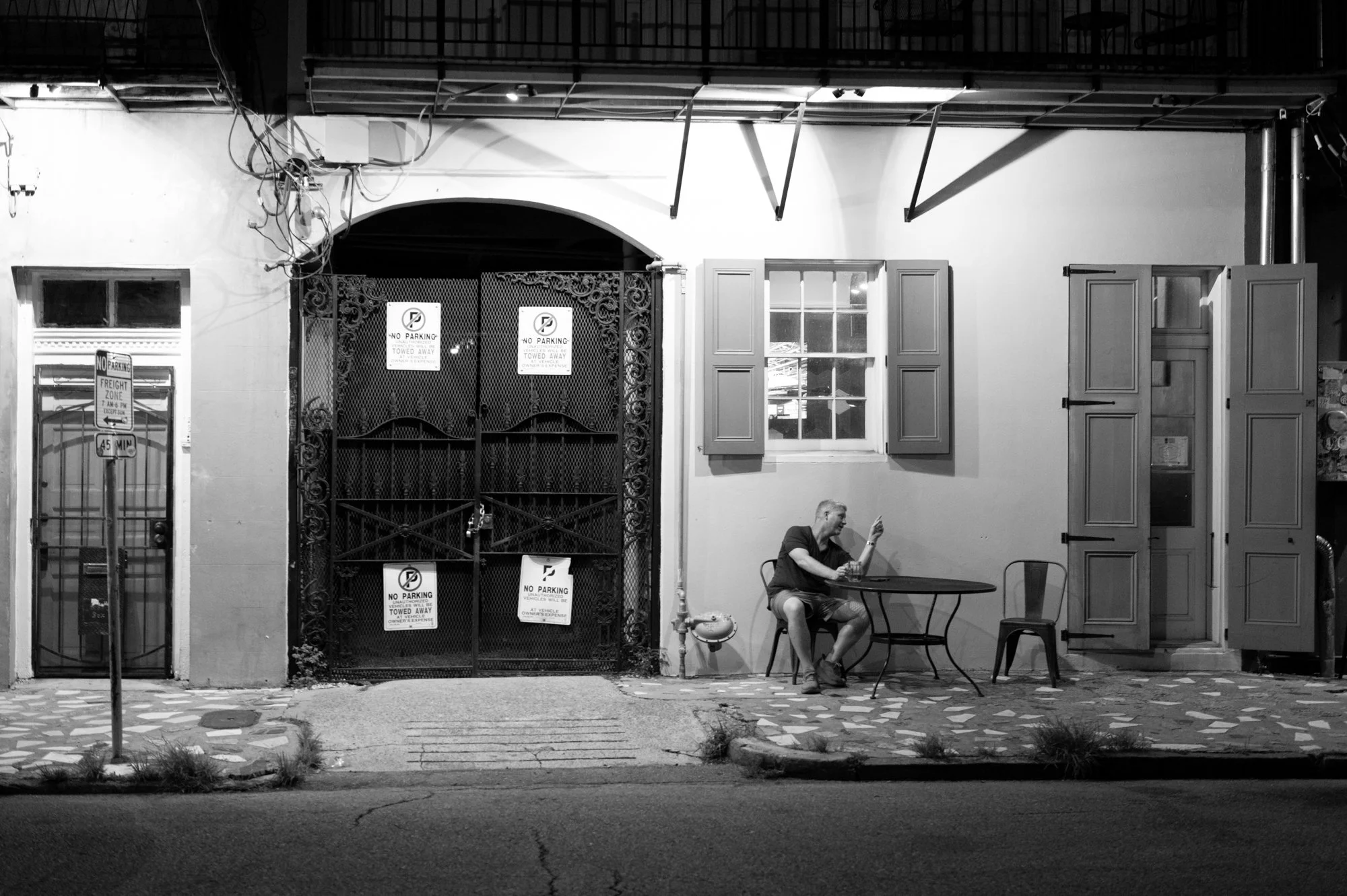
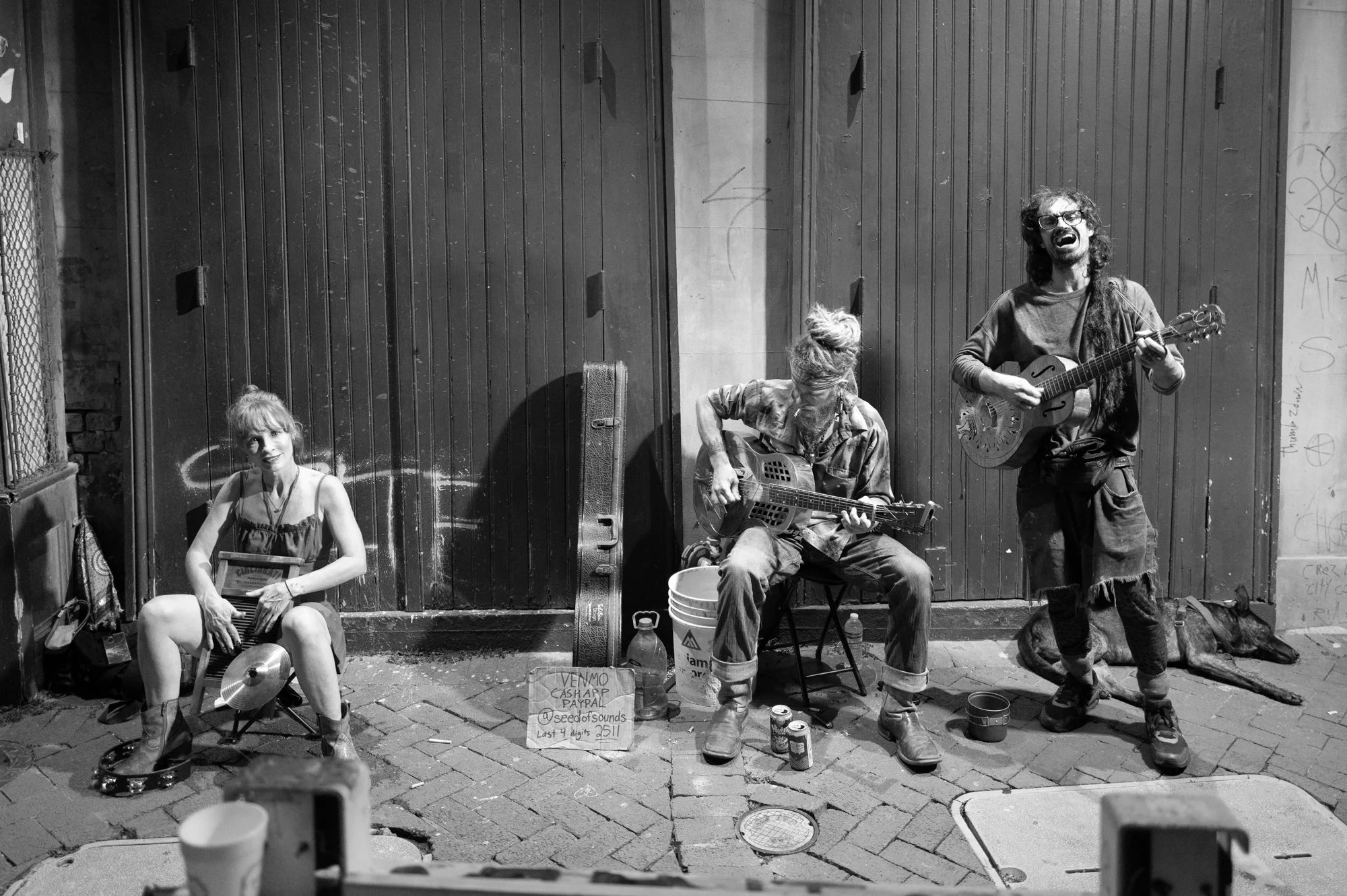
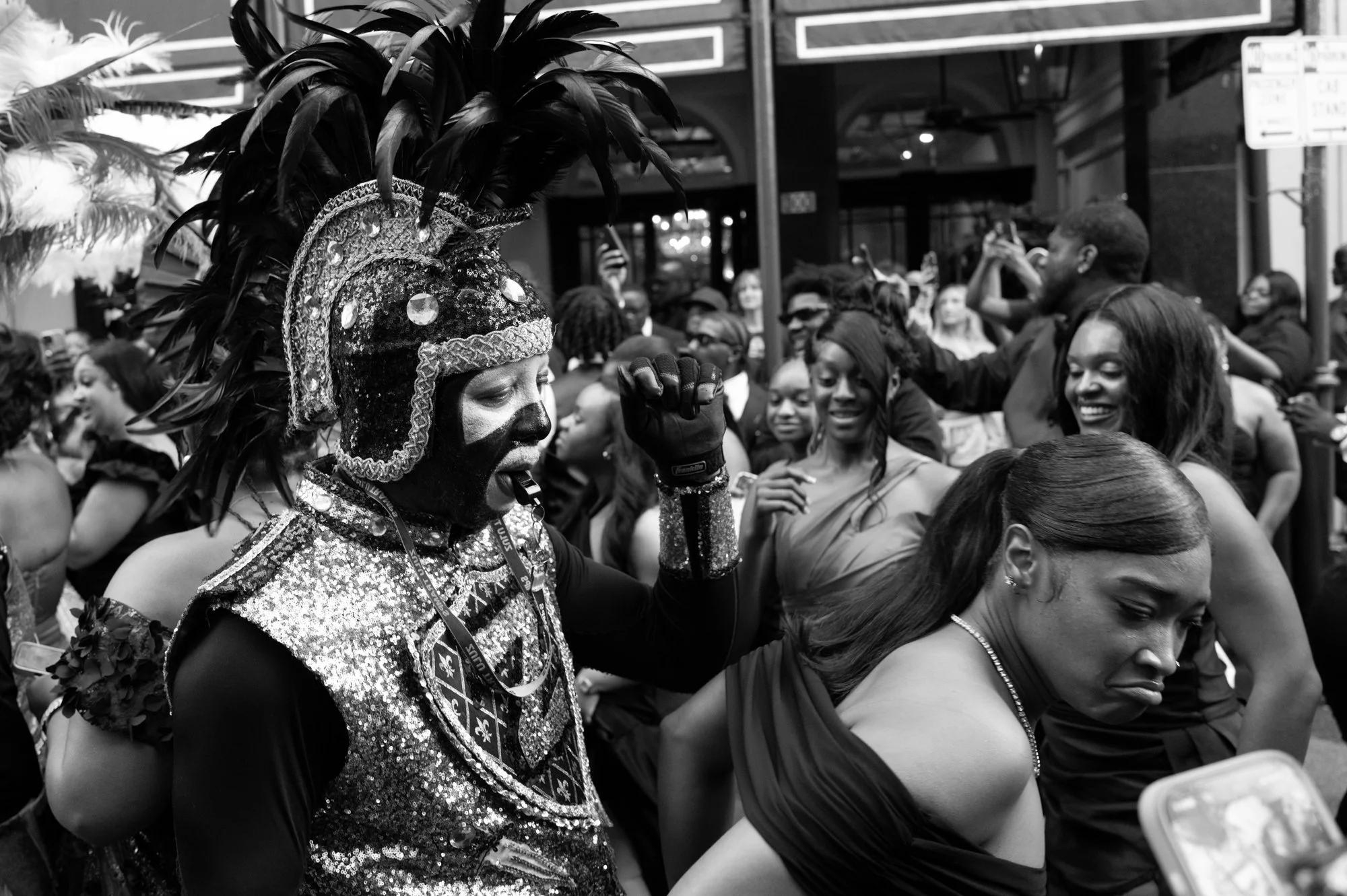
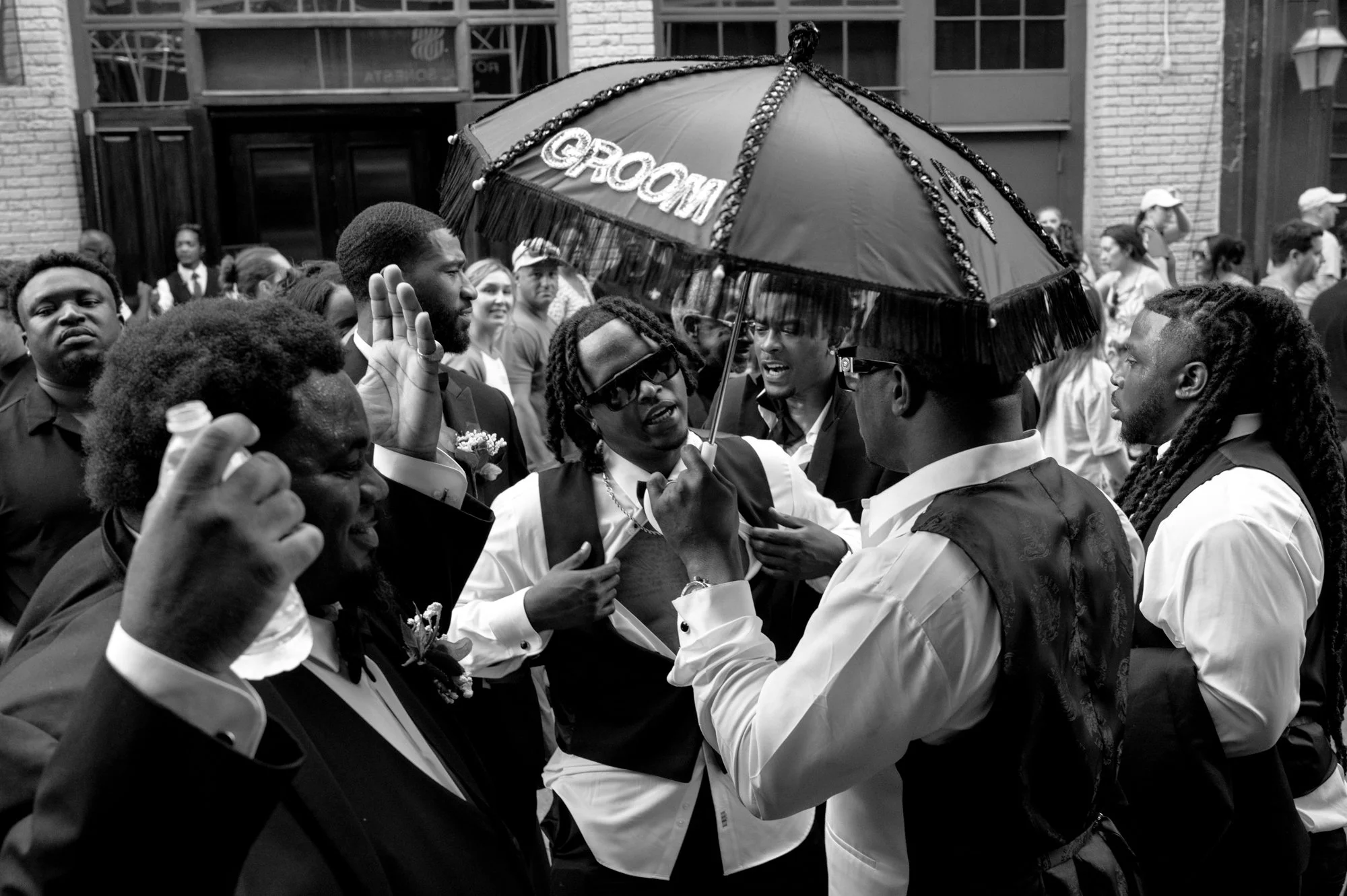
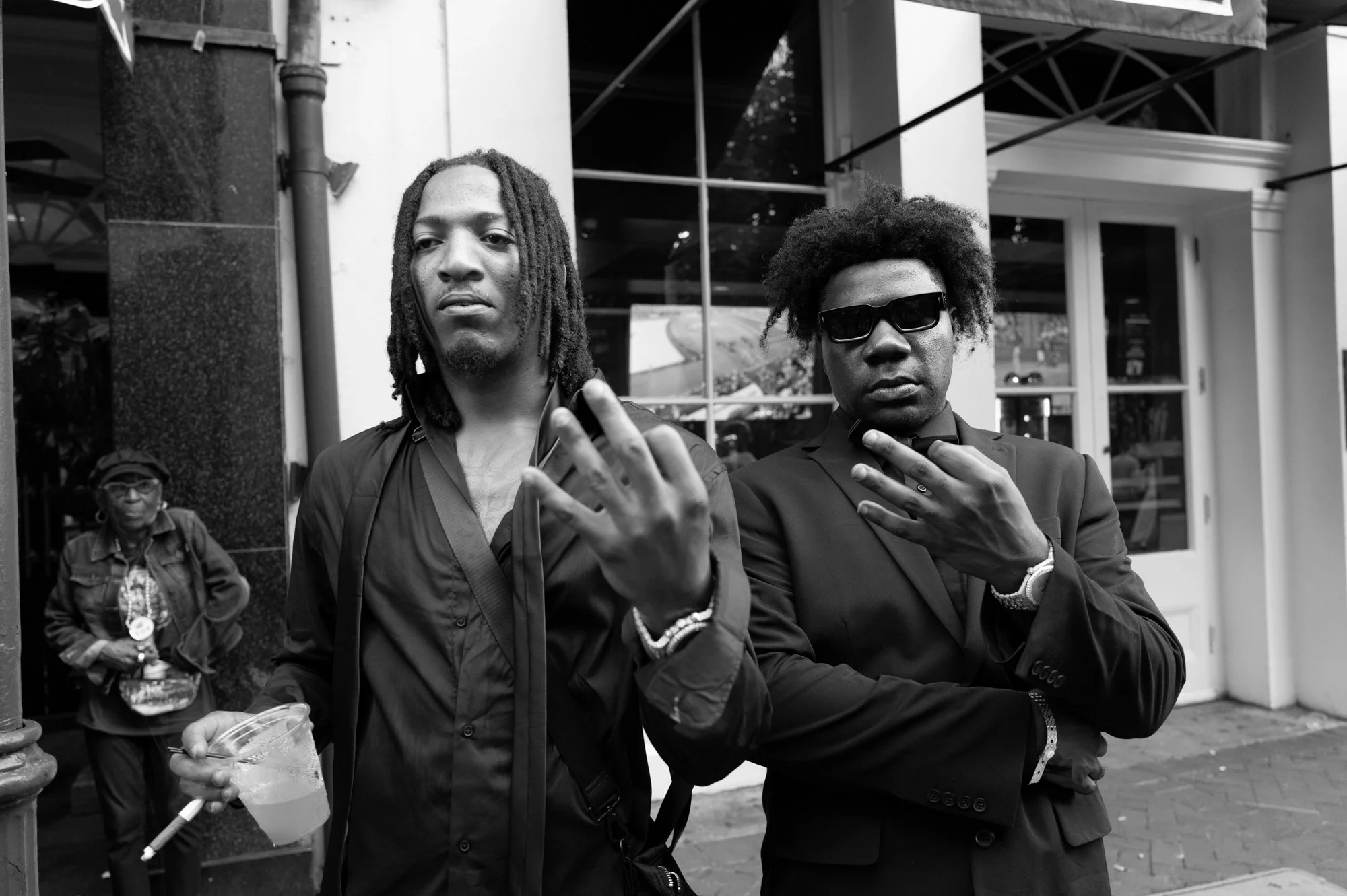
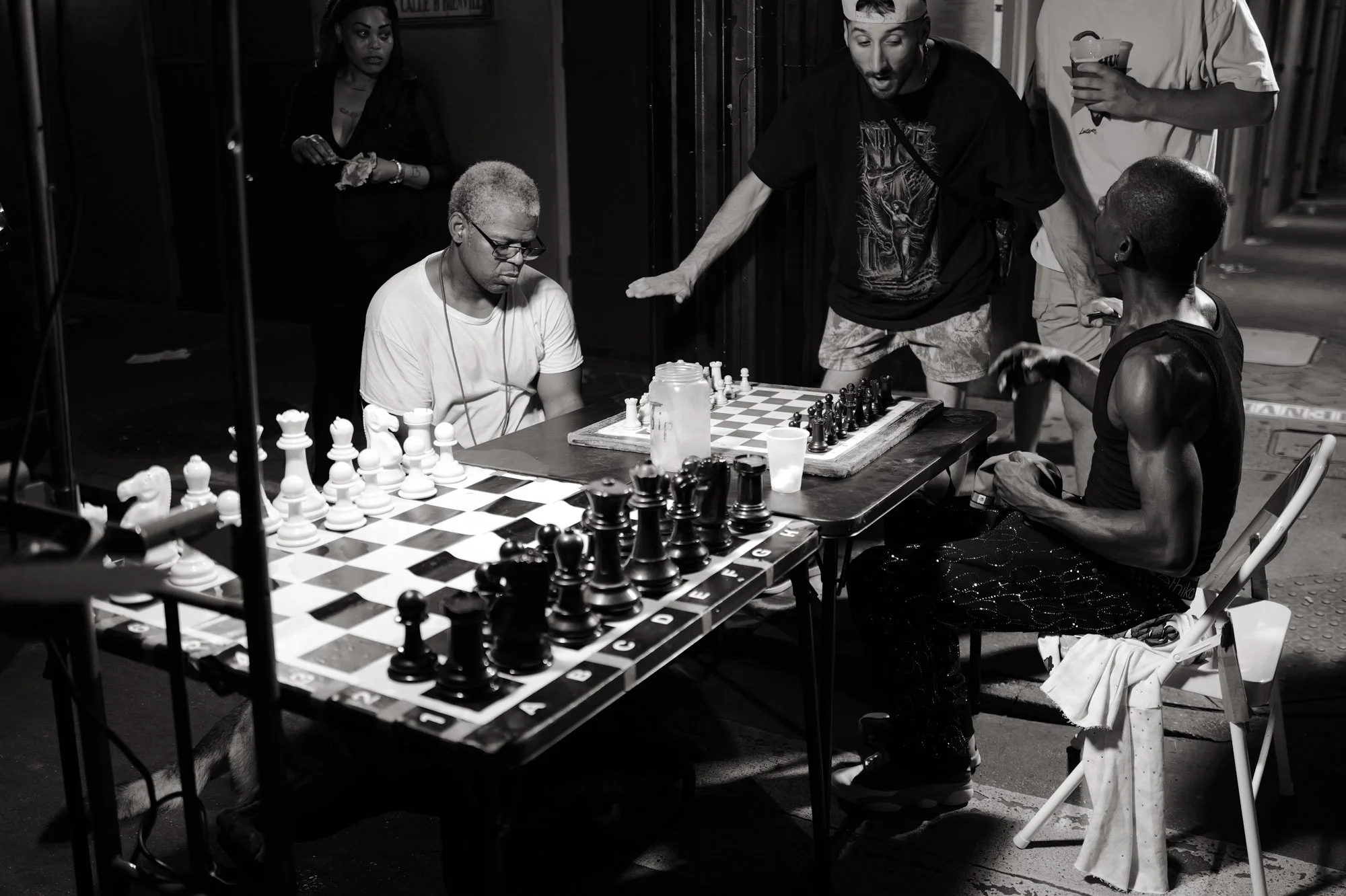
The streets of New Orleans became an endless stage. Every block offered a different rhythm, a different story. There was an effortless coolness about New Orleans that is difficult to describe until you experience it. People wandered without urgency, drinks in hand, music spilling from every doorway. It felt as though the city had collectively decided that the night was meant to be enjoyed rather than rushed. There was a carefree energy that made photography feel completely natural—nobody seemed to mind the cameras, because everyone was too busy living the moment.
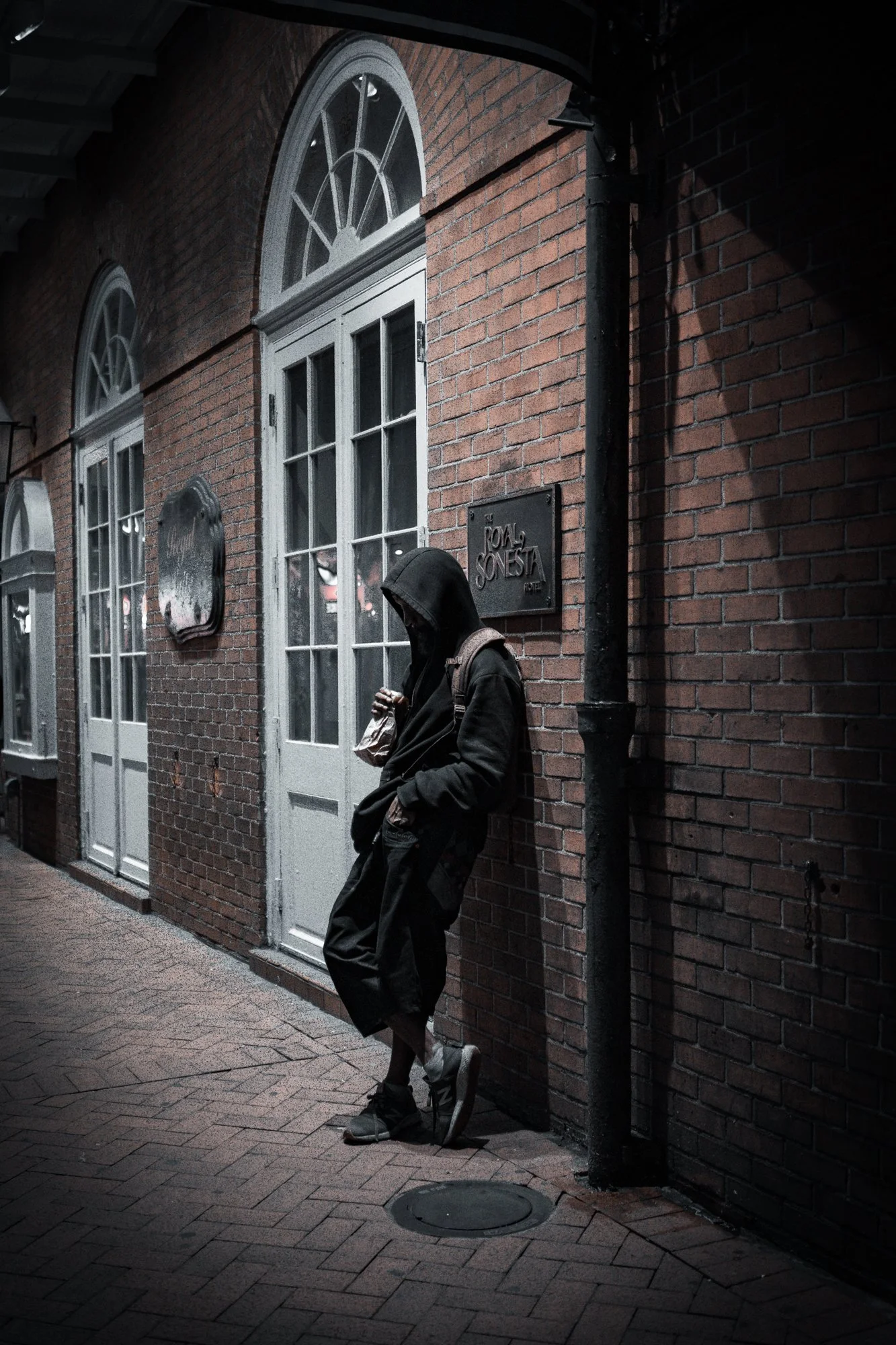
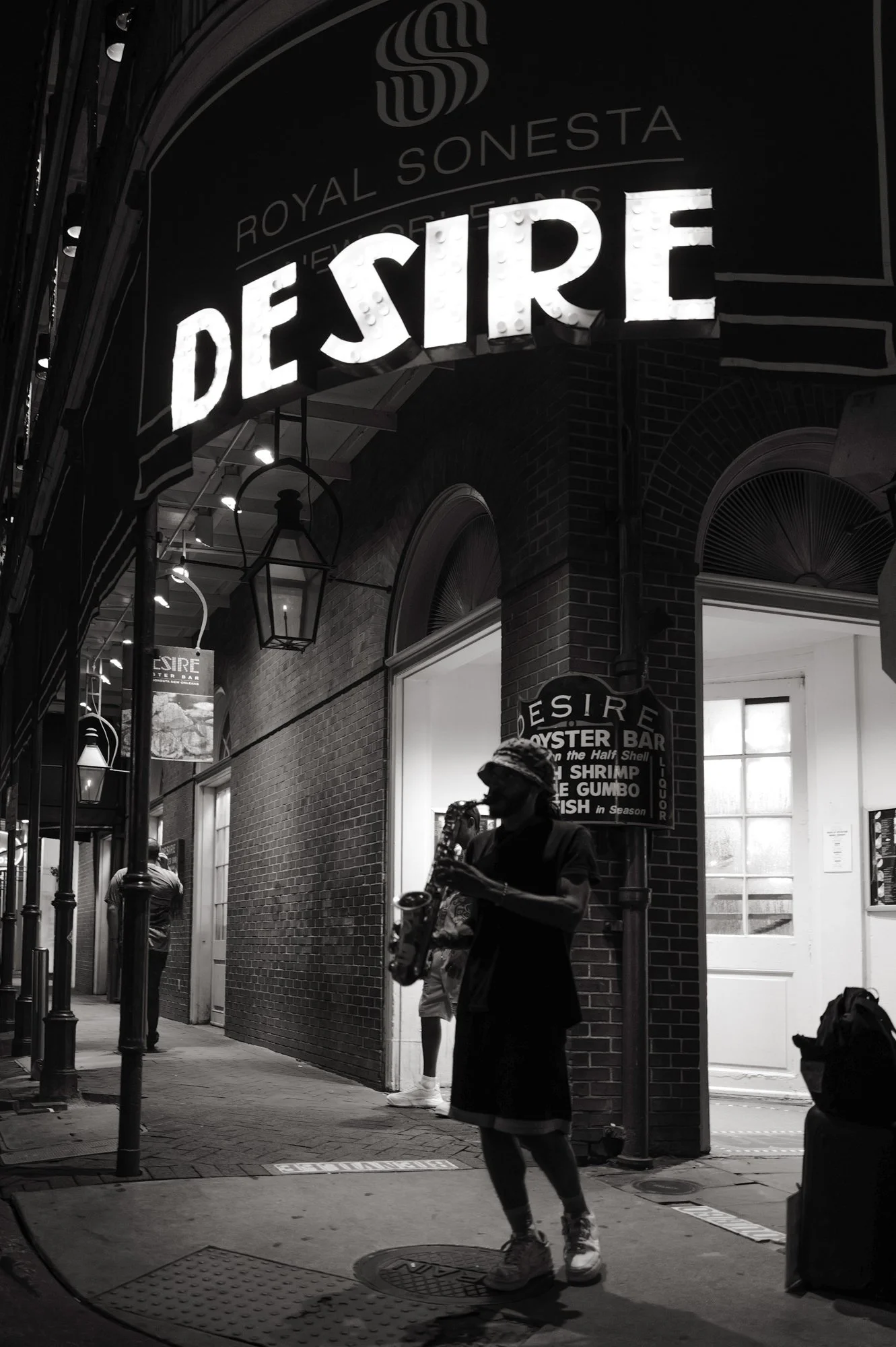
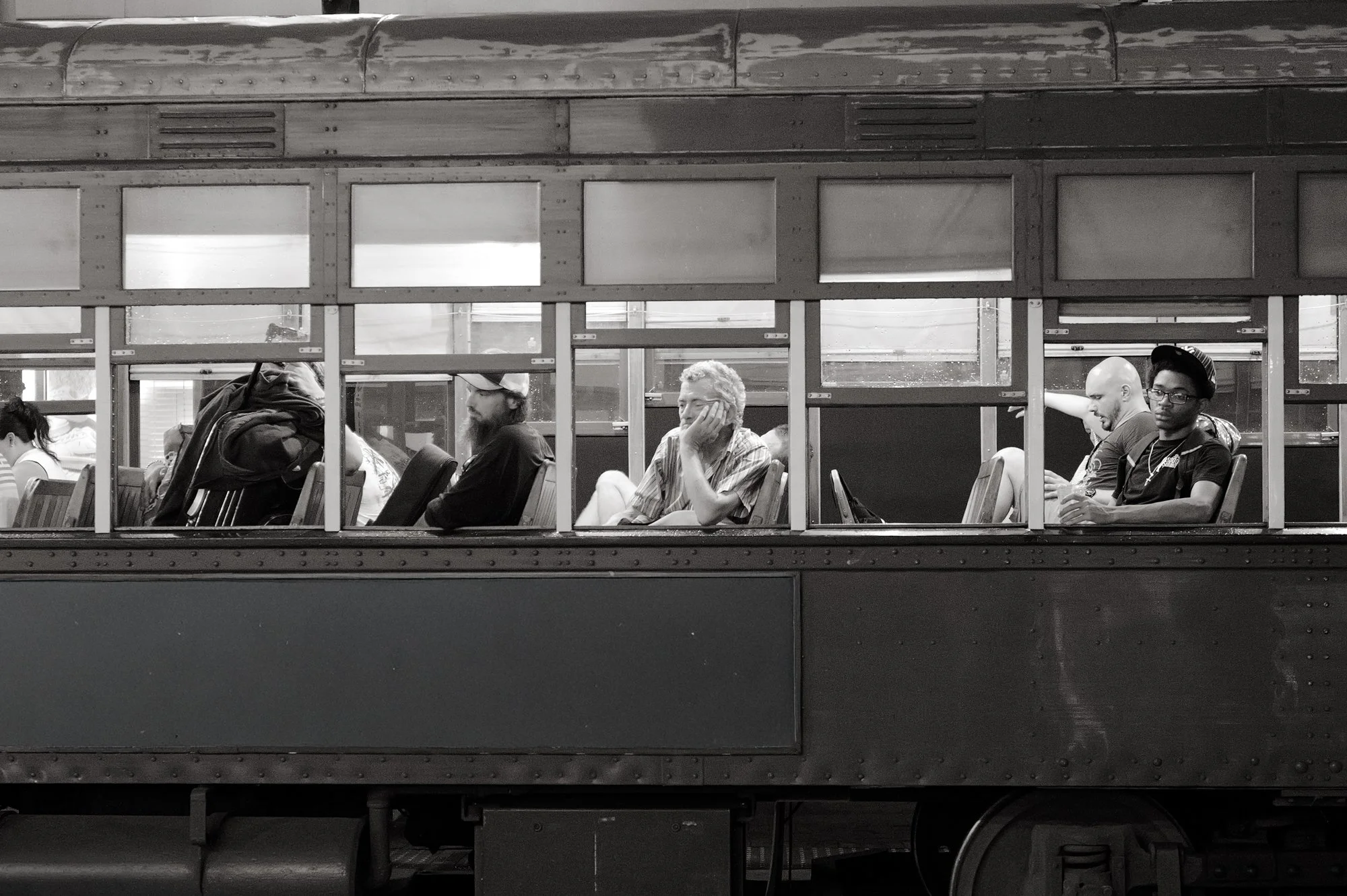
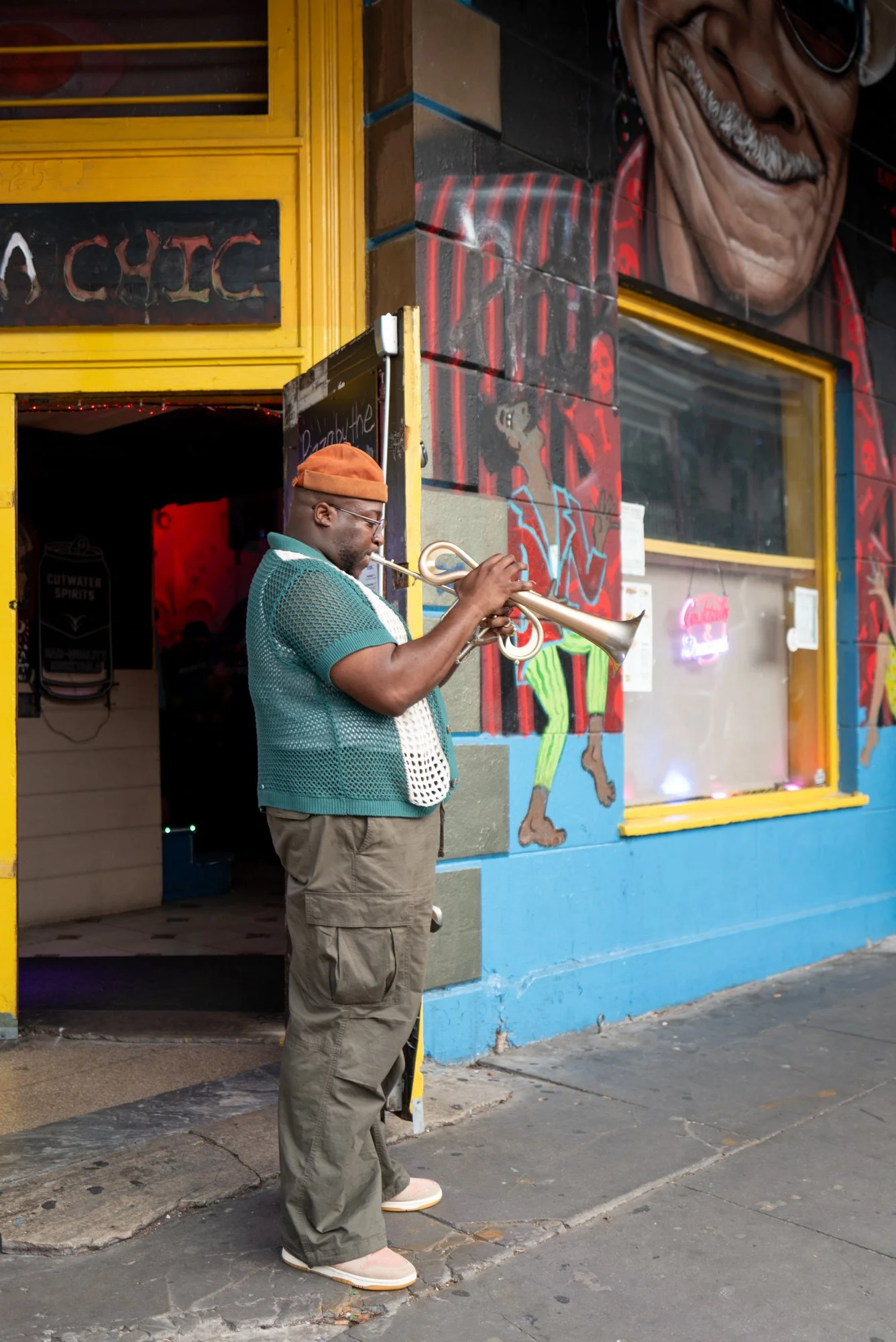
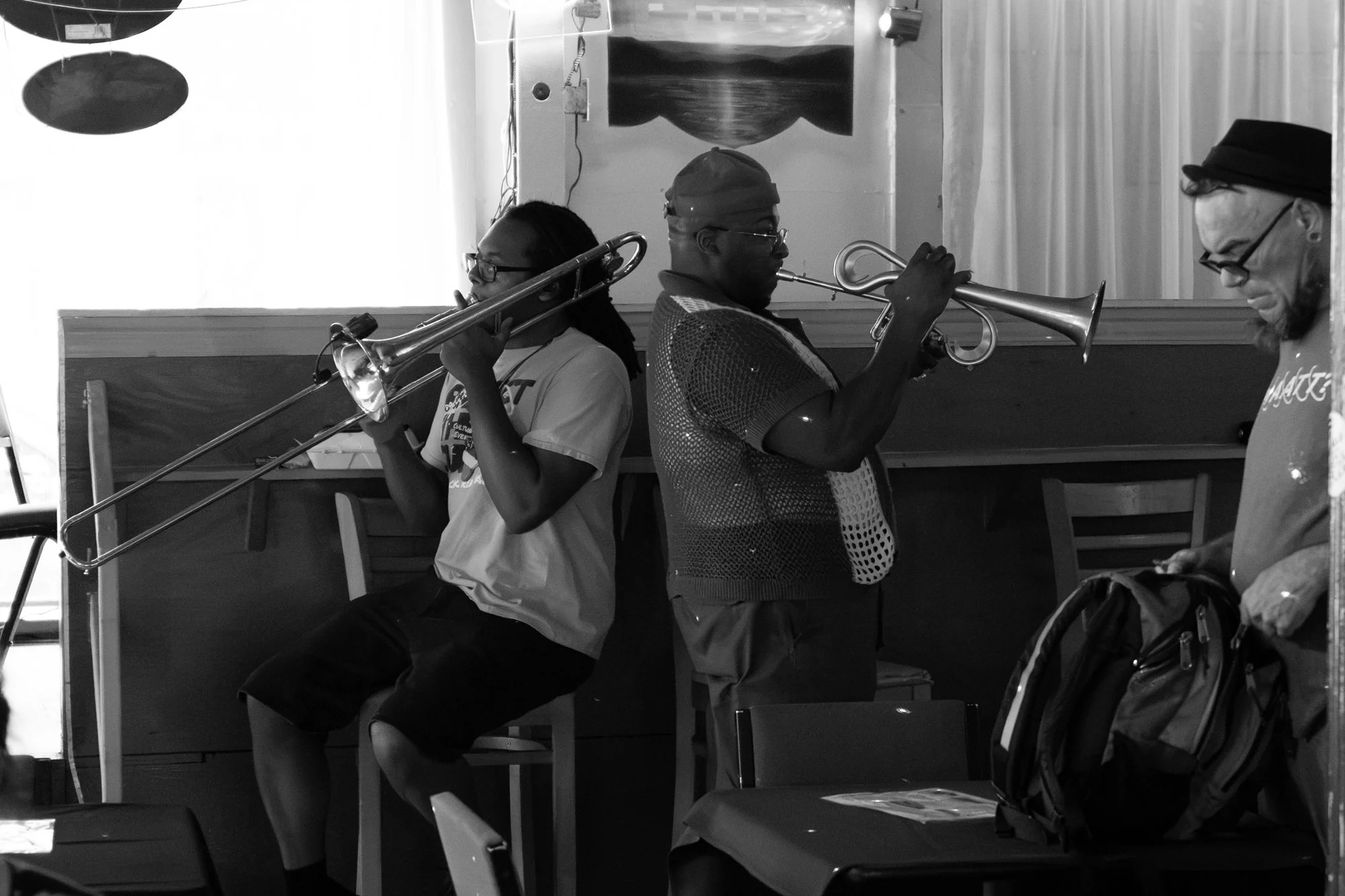
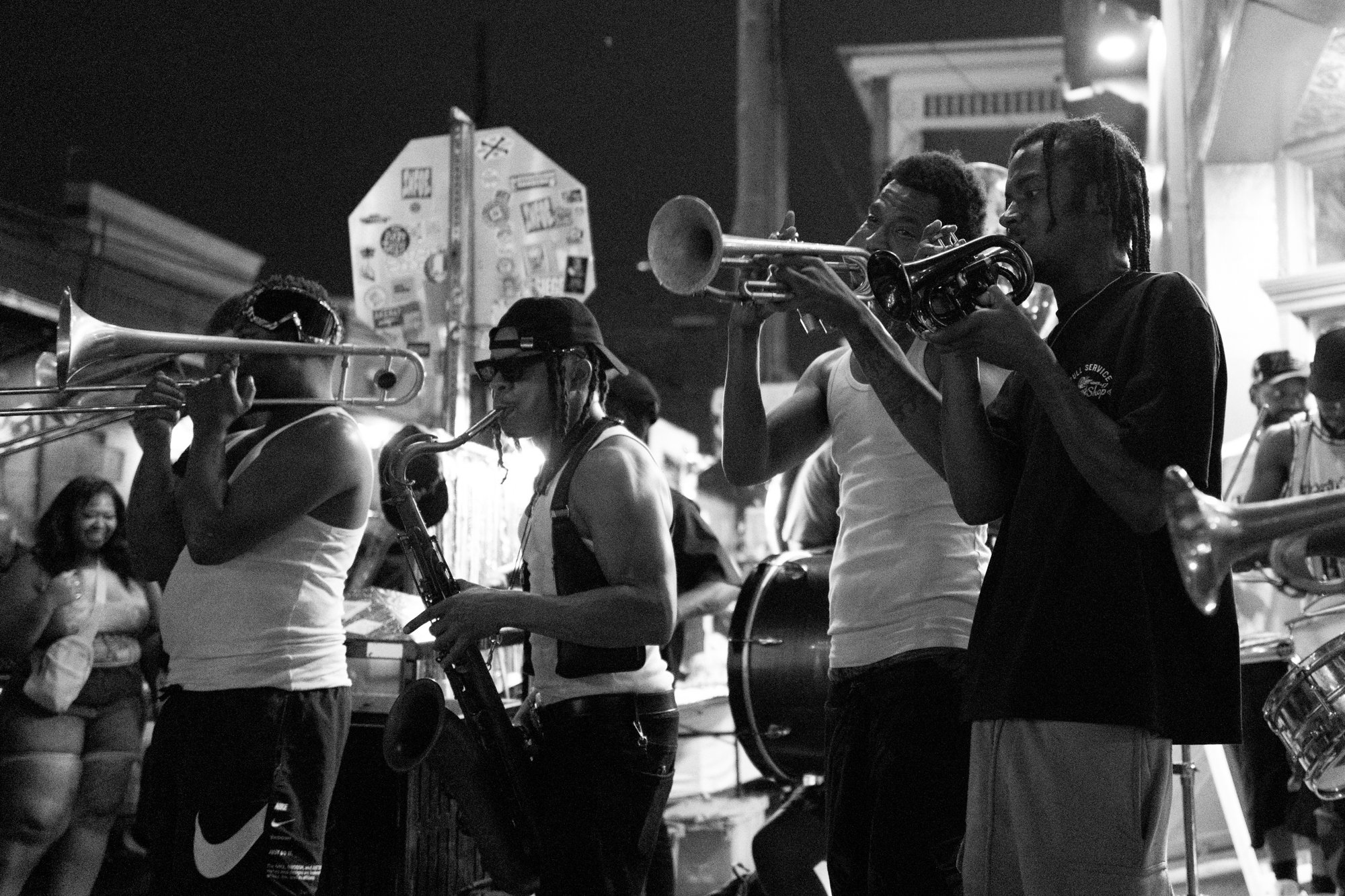
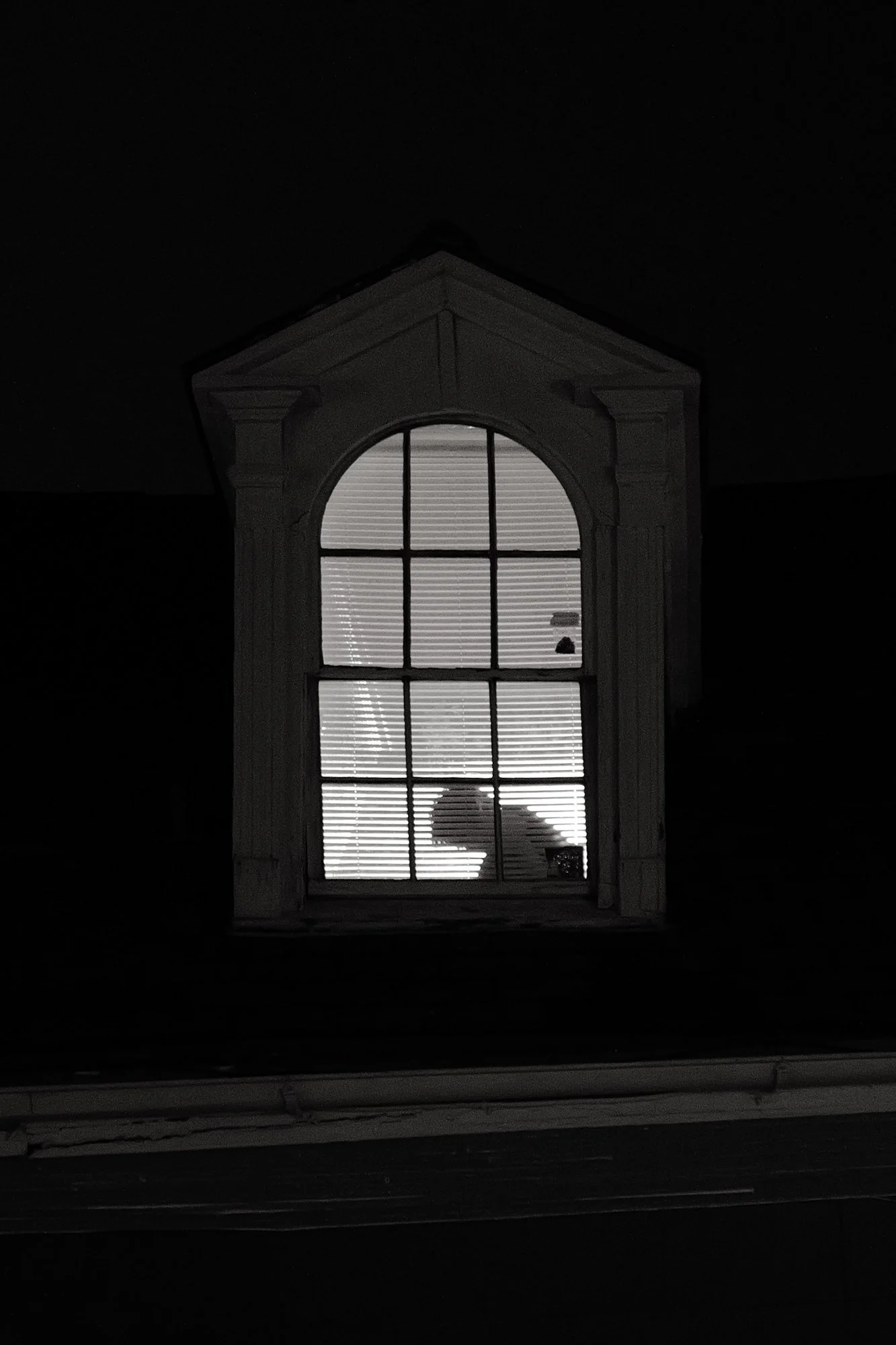
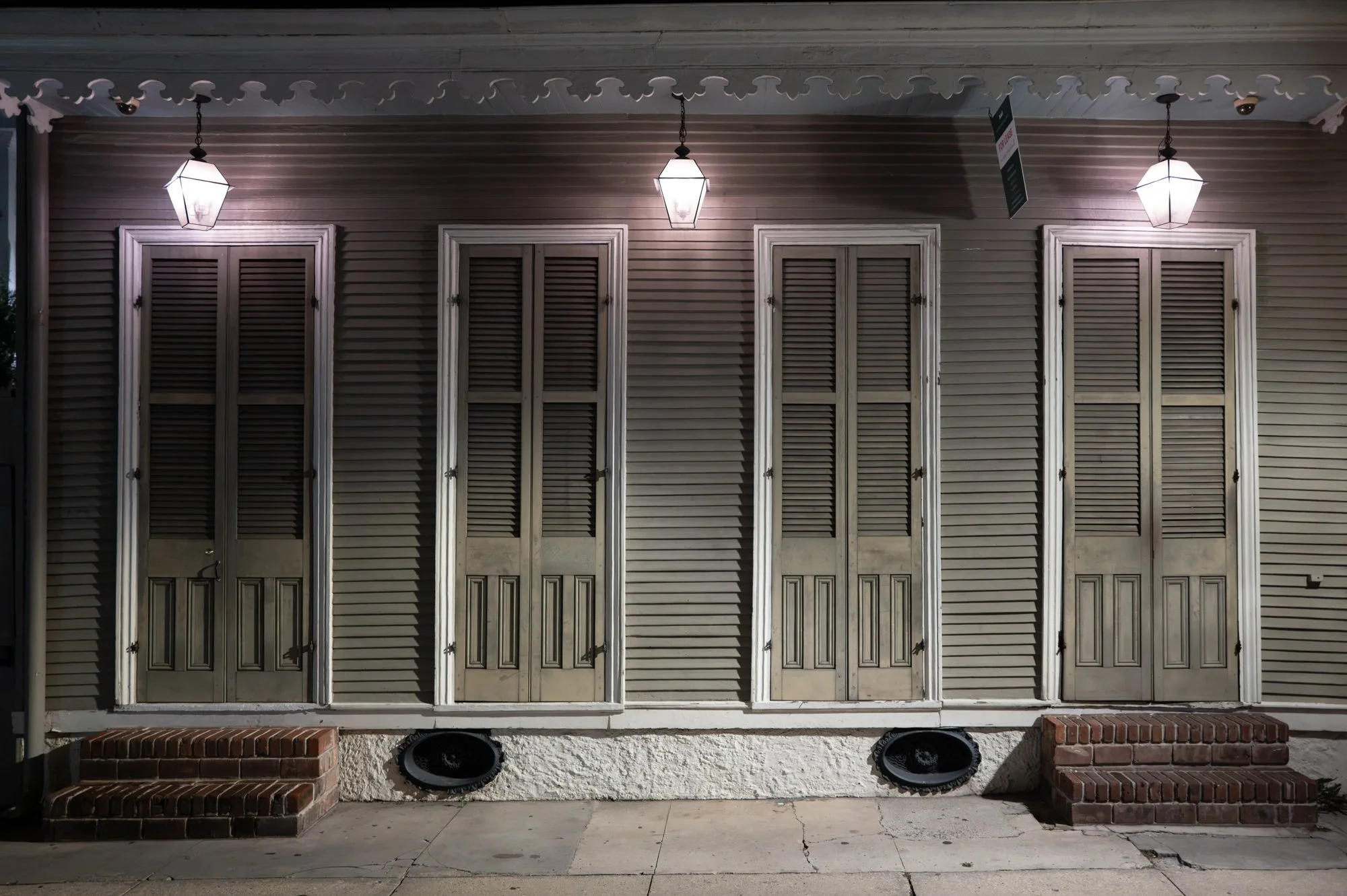
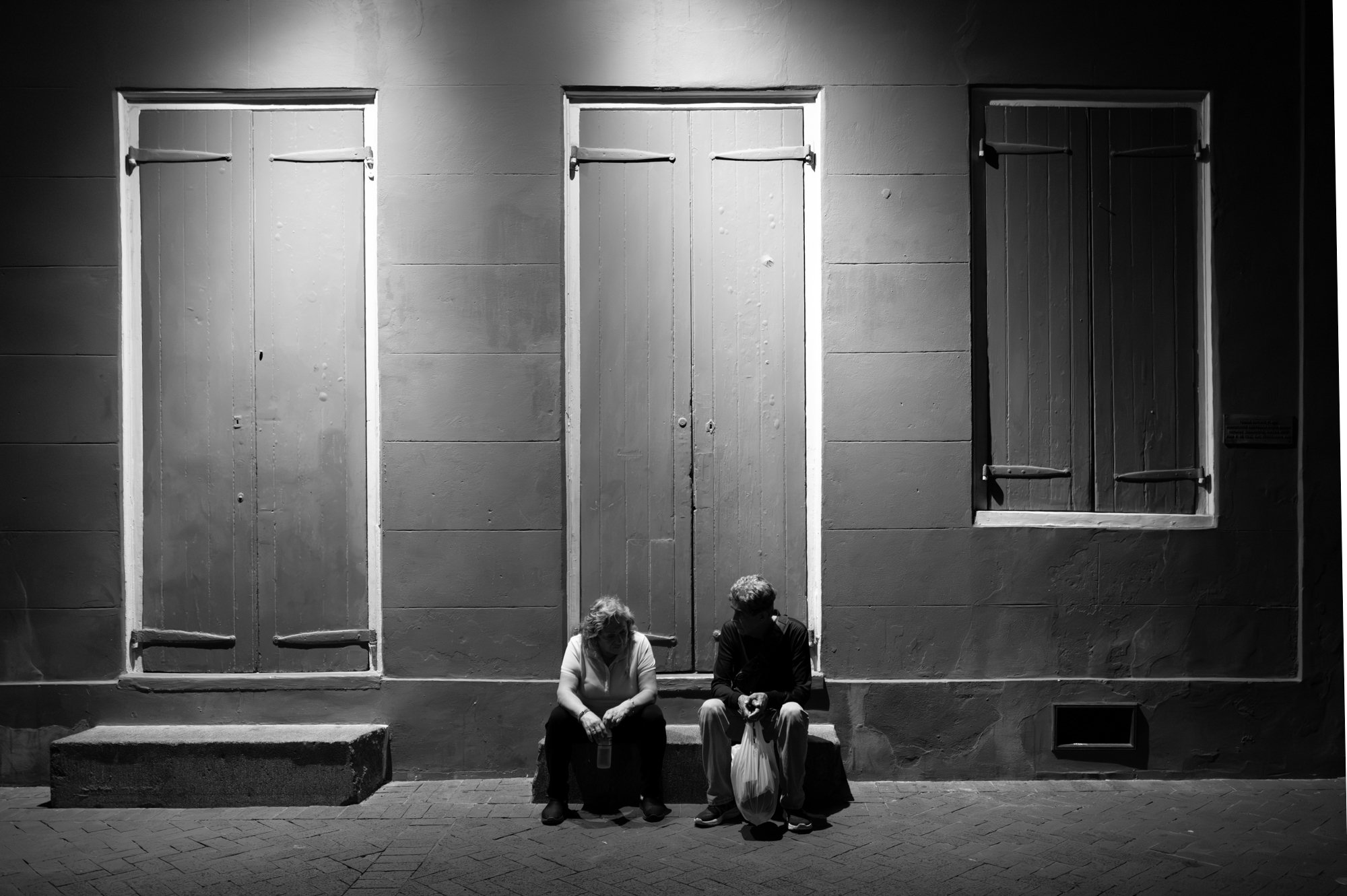
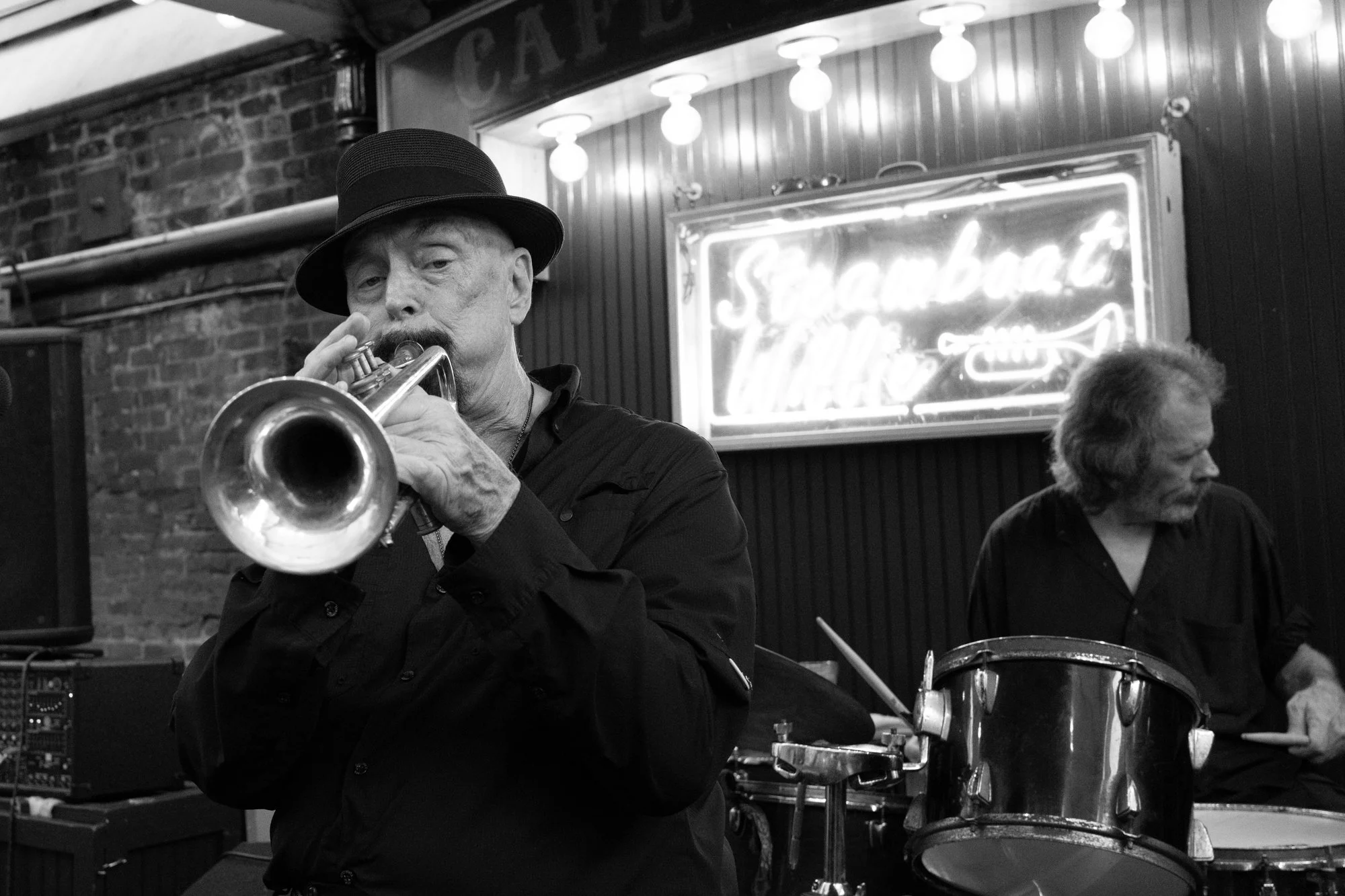
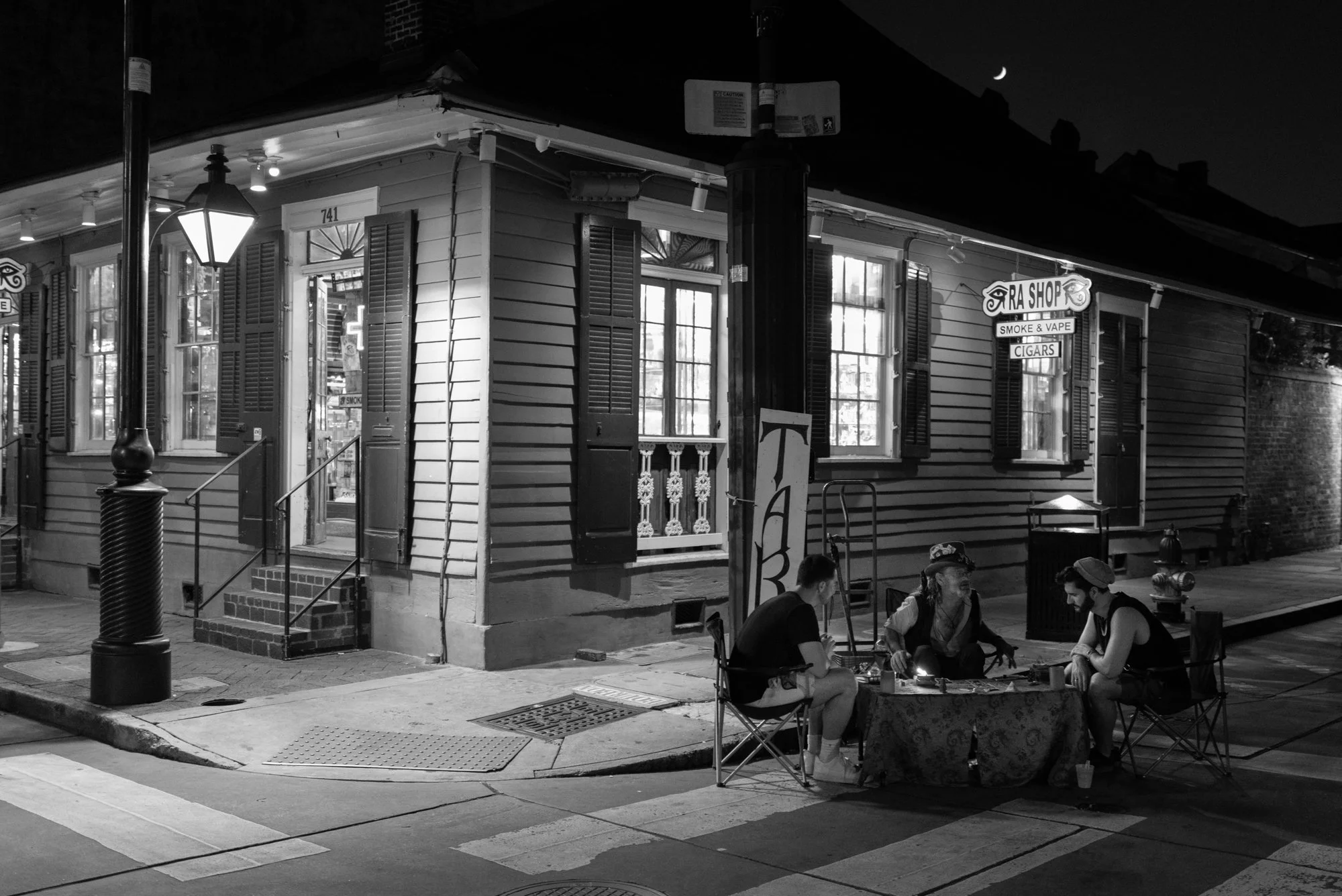
Then there was the music. Not just inside the famous venues, but everywhere. Improvised jazz bands seemed to materialize out of nowhere, transforming ordinary street corners into unforgettable performances. A trumpet would echo from one direction, a saxophone would answer from another, and before you knew it, a small crowd had gathered around musicians playing with a passion that no stage could contain. Framed by the city's iconic wrought-iron balconies, weathered facades, and warm, low-key street lighting, every scene felt wonderfully cinematic. The scarce light didn't hide the city—it revealed it, creating deep shadows, glowing highlights, and exactly the kind of atmosphere that makes black and white photography so compelling. In New Orleans, the darkness isn't something to overcome; it's part of the city's character, adding mystery, elegance, and soul to every frame.